

Our Blogs
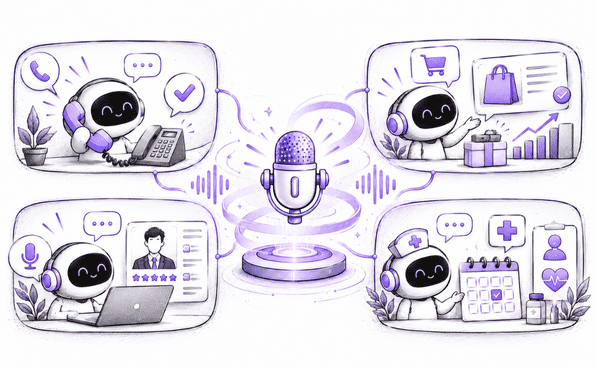
What Problems Do AI Voice Agent Solutions Actually Solve?
Every few months, a new wave of excitement hits the phone channel. Demos sound impressive, vendors promise big savings, and leaders start asking whether they should buy something.
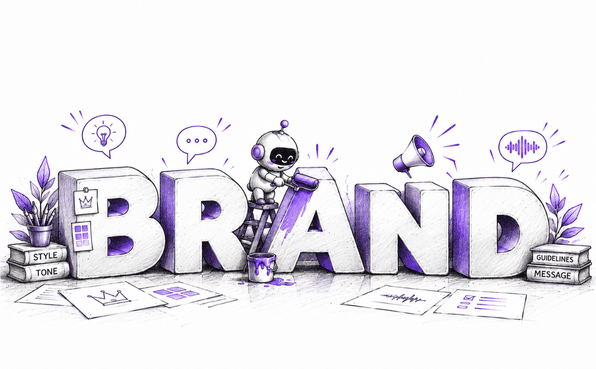
How Do AI Voice Agents Maintain Your Exact Brand Voice?
Your brand voice is how customers recognize you before they see a logo. It lives in the words you choose, the pace you speak at, and the way you handle a frustrated caller. On the phone, there is no design or visual identity to lean on, so the voice carries all of it.
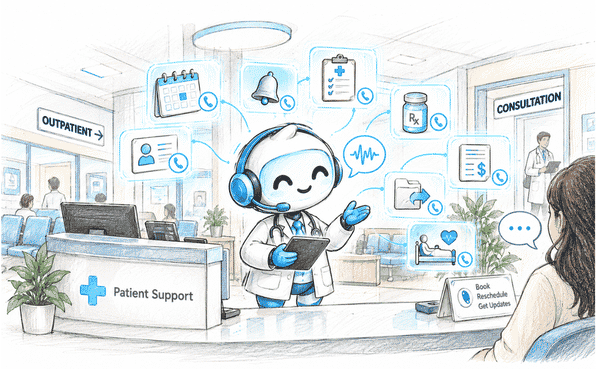
AI Voice Agents in Healthcare: 8 Production-Ready Use Cases
Healthcare call centers are drowning in repetitive work such as scheduling, reminders, billing questions, and refill requests, while staff shortages make every one of those calls harder to answer fast enough.
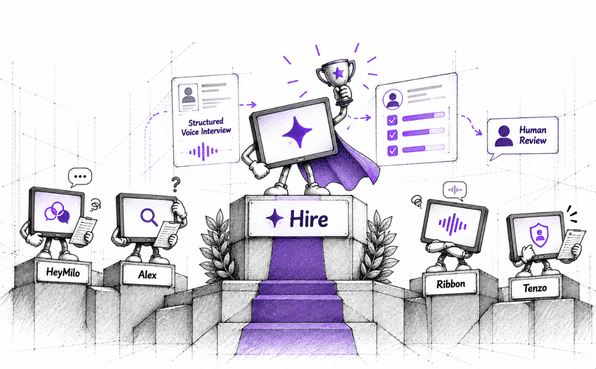
The Best AI Voice Agent for Recruitment & What to Look For
A single open role can attract hundreds of applications, and every recruiter knows what comes next. Resumes pile up, phone screens eat entire afternoons, and strong candidates slip away while the team works through the backlog.
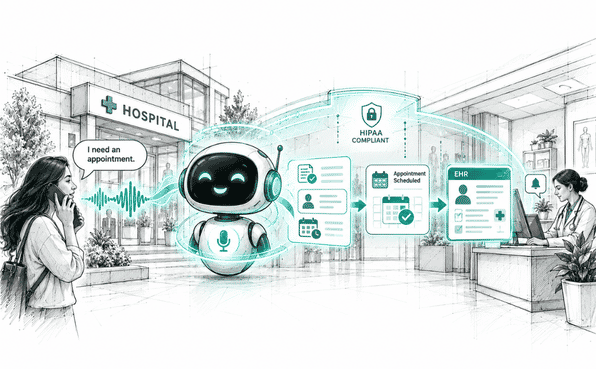
Voice AI in Healthcare: Building HIPAA-Compliant Patient Intake & Scheduling
A patient calls your clinic right after the front desk closes. They want to book an appointment, but nobody answers. They hang up, call the practice down the street, and get an appointment there instead.
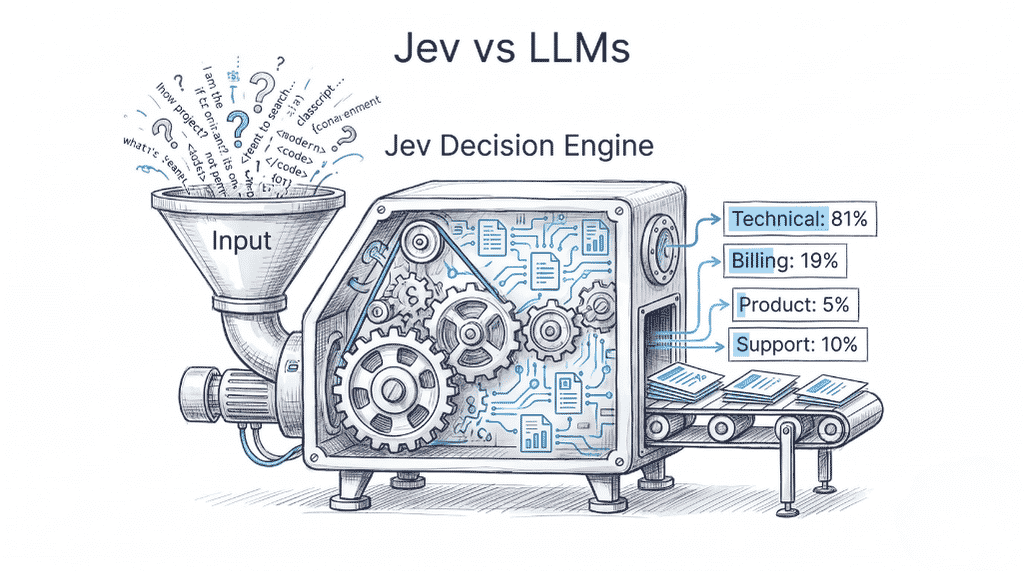
Jev vs LLMs in 2026: When Should AI Decide, Not Write?
I used Claude, an AI assistant, to help research, draft and edit this post and to build its diagrams. I ran the tests myself, and every number traces to my raw results.
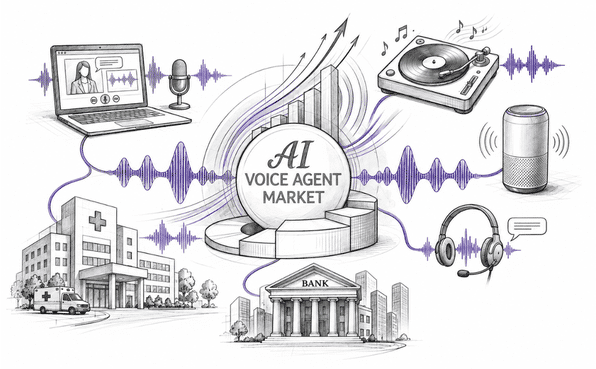
Everything You Need to Know About AI Voice Agents in 2026
Voice AI has quietly crossed a threshold. What used to be "press 1 for billing" is now a system that understands context, holds a real conversation, takes actions inside your CRM, and sounds close enough to human that callers sometimes forget they're talking to software.
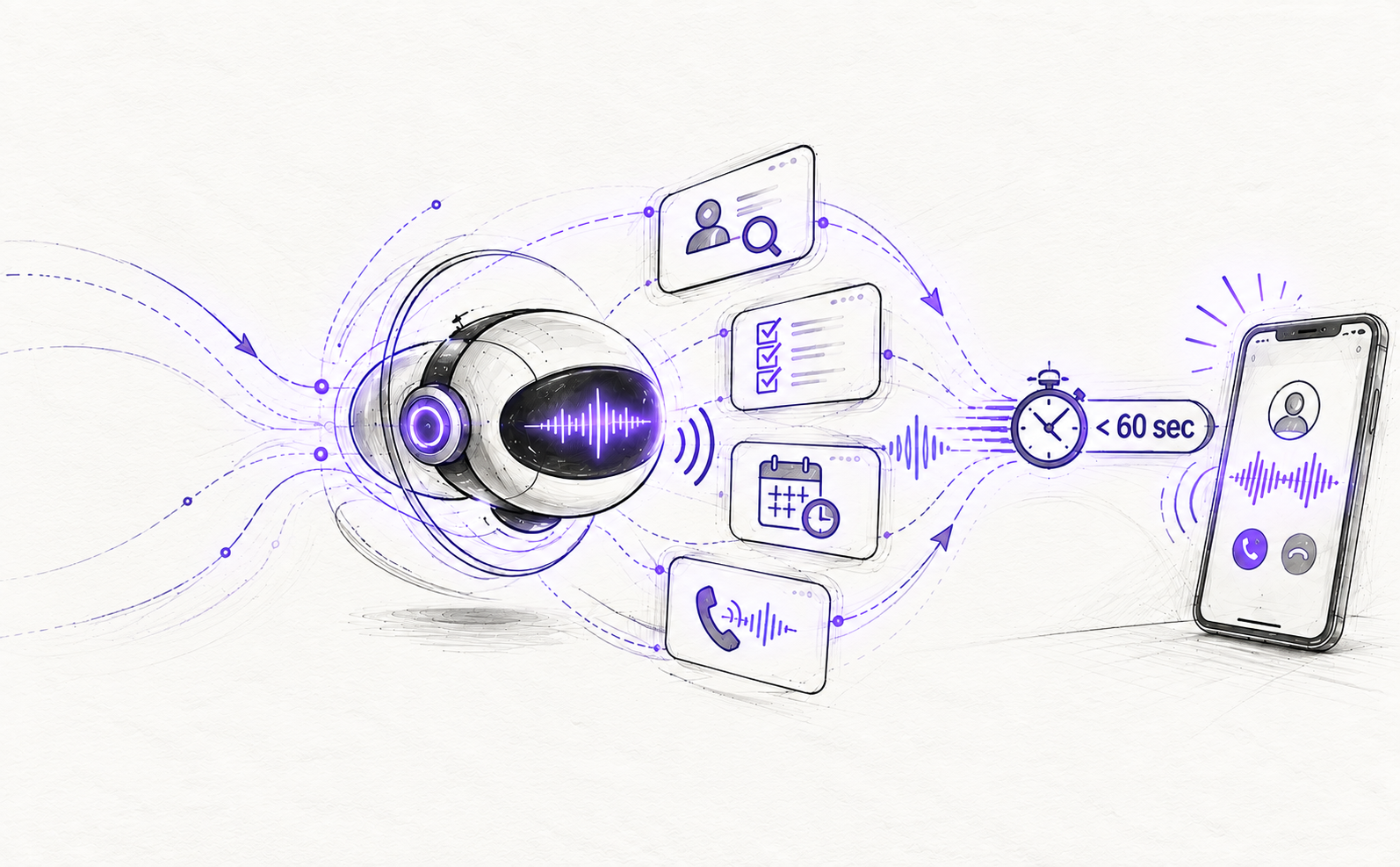
Speed-to-Lead: How AI Voice Agents Respond to Inbound Leads in Under 60 Seconds
What happens to a lead the moment after someone submits your form? For most companies, the honest answer is: nothing, for hours.
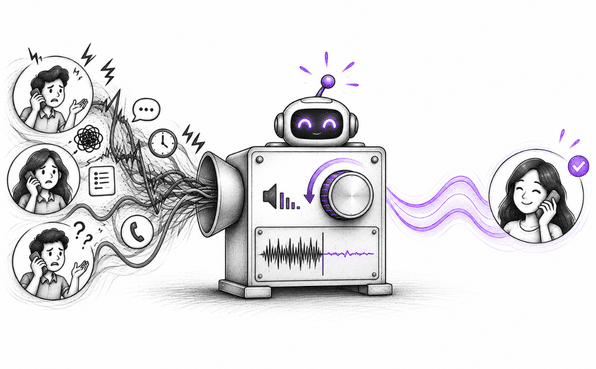
How to Reduce High Call Abandonment Rates with AI Voice Agents
Every dropped call is a small, quiet loss. A customer waits on hold, gets frustrated, and hangs up before ever speaking to anyone. Multiply that across hundreds or thousands of calls a month, and you're looking at lost revenue, damaged trust, and customers who quietly go somewhere else.
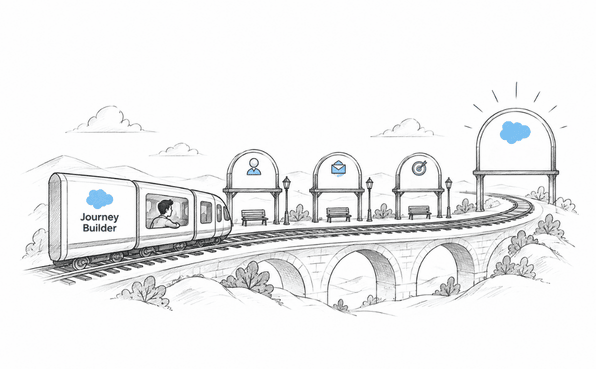
DTMF Is Dead: Why Agentic Voice AI Replaces IVR, Not Just Upgrades It
For decades, customer service calls have started the same way. This model worked when automated phone systems had one main job: route callers to the right place. But customer expectations have changed.
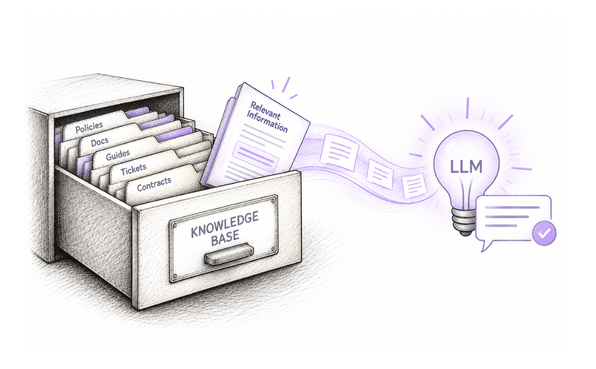
Retrieval-Augmented Generation: How RAG Actually Works in Production
An employee asks your internal assistant: “What’s our leave policy for people who’ve completed more than five years?” A capable model gives a fluent, confident answer. It is also wrong, because your HR policy was never in its training data.
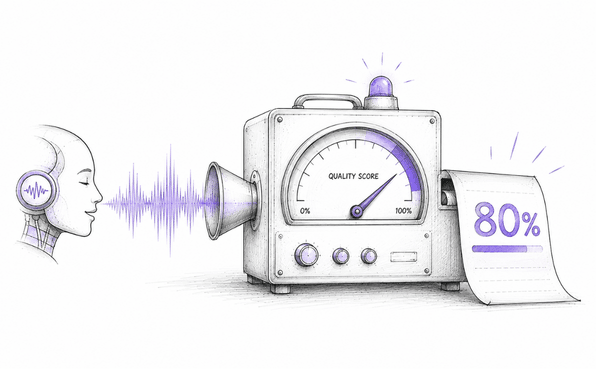
How to Measure AI Voice Agent Quality (Beyond CSAT and Call Duration)
If you're running a voice AI program, you already know the dashboard trap. CSAT looks decent. Average handle time is down. Everyone in the weekly review nods and moves on. Then a customer posts on Twitter that your bot argued with them for four minutes about a refund it had no authority to issue, and nobody saw it coming because the metrics that were supposed to catch it never do.
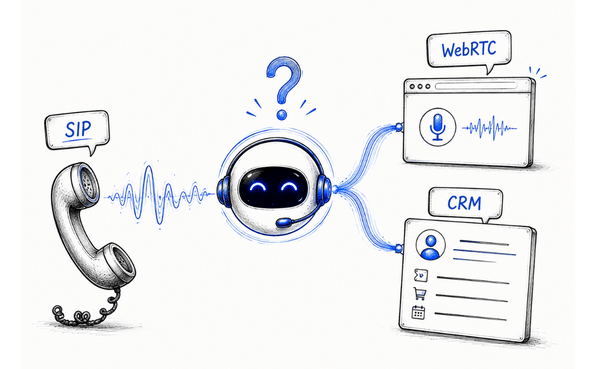
Connecting Your AI Voice Agent to the Real World: SIP, WebRTC, and CRM Integrations Explained
The model is the easy part, and that’s the truth that surprises a lot of teams building voice AI. You can get an LLM sounding natural, handling interruptions gracefully, and responding in real time within a few weeks. What actually takes the work is everything around the model. The underlying infrastructure and connectivity that lets it receive a phone call, stream audio from a browser, and know who it's actually talking to.
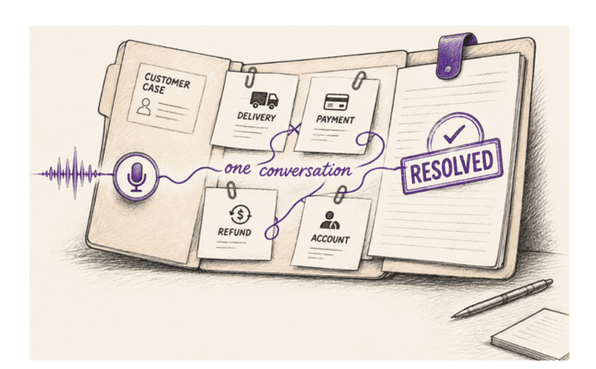
Beyond Single-Turn: How Multi-Step Agentic Voice Agents Handle Complex Customer Workflows
Remember when voice bots could do little more than answer a question and point you in the right direction? You’d call in, ask to check your balance, get an instant response, and the conversation would be over.
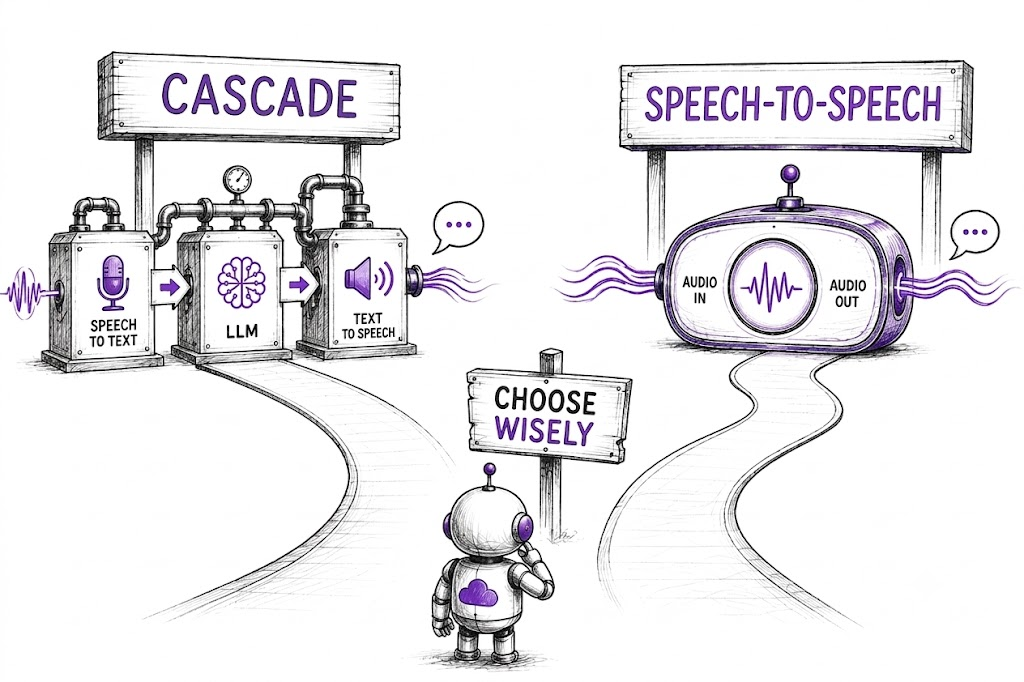
Cascade vs. Speech-to-Speech: Which Architecture Should Your Voice Agent Use in 2026?
If you've spent any time building or buying an AI voice agent this year, you've probably run into a debate that sounds technical but actually shapes everything from your latency numbers to your compliance posture: should you build on a cascaded pipeline, or go all-in on speech-to-speech AI?
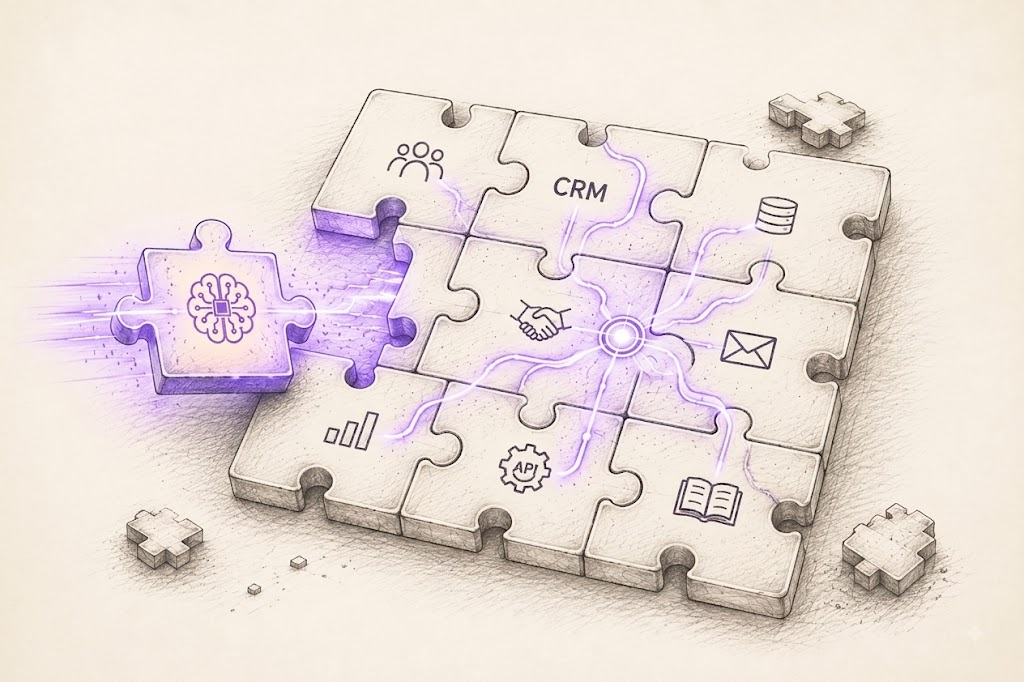
The Enterprise Re-Architecture Blueprint: Upgrading Rigid Chatbots to Autonomous Agents
If you've spent any time managing a customer-facing chatbot, you know the frustration. It works fine until someone asks a question that falls outside its decision tree, and then it just... breaks. It loops back to "I'm sorry, I didn't understand that" or hands the customer off to a human anyway, defeating the entire purpose of having a bot in the first place.
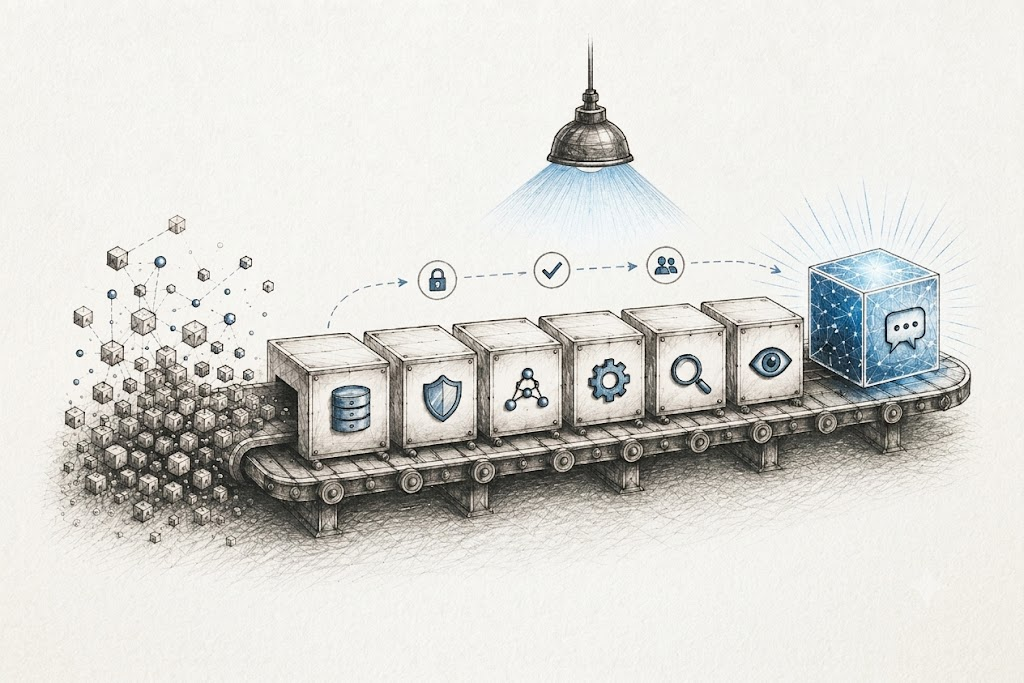
The Modern Enterprise AI Stack: What Every CTO and Enterprise Architect Should Build in 2026
Every enterprise now has an AI initiative. Fewer have an AI architecture. Walk into most organizations that shipped a generative AI feature in the last two years and you will find the same pattern underneath the demo: a chat UI, an API call to a foundation model, maybe a document search bolted on the side.
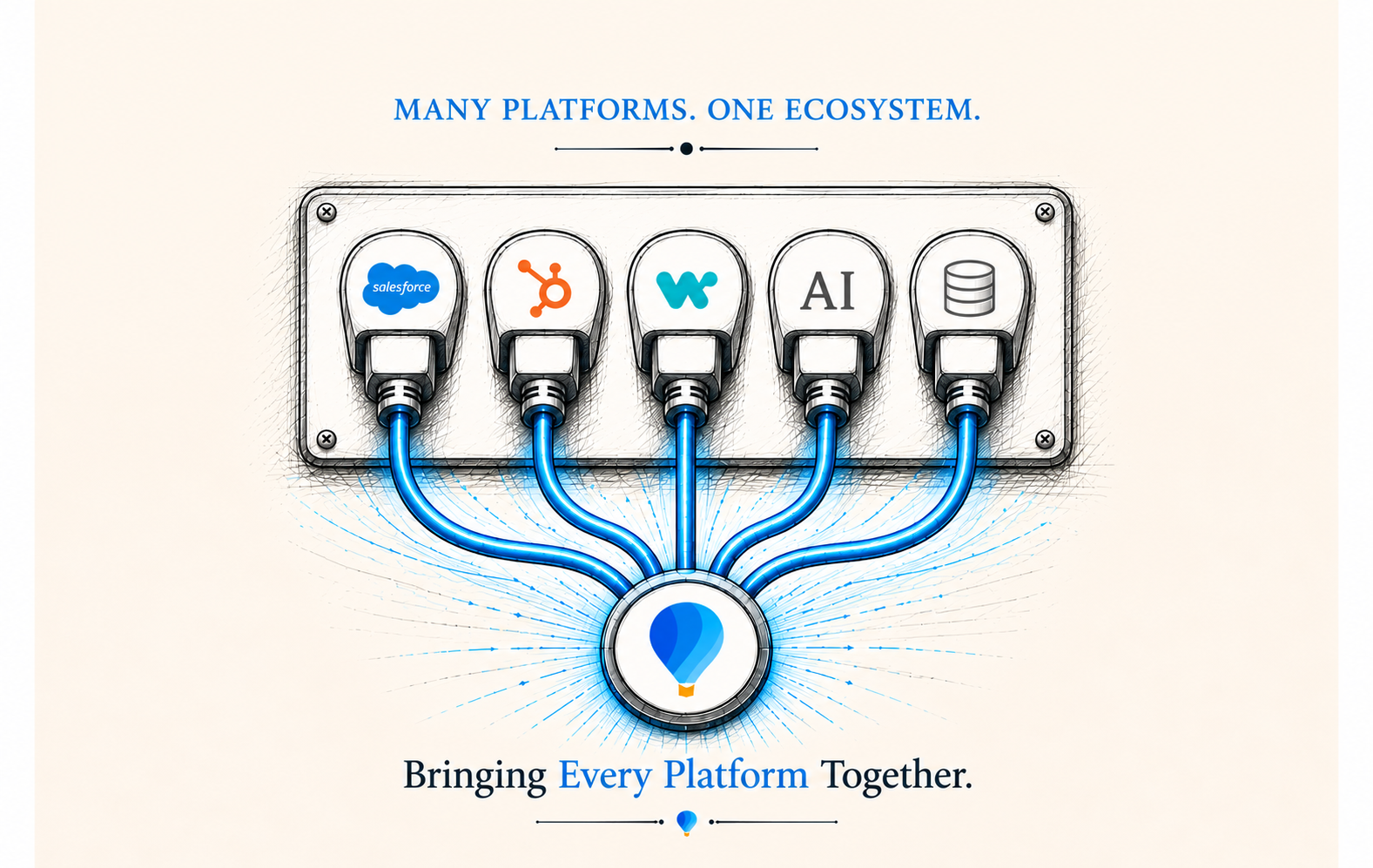
How Concret.io Bridges the Gaps Left by Single-Silo Development Firms
Your sales team runs Salesforce, your marketing team uses HubSpot, and your operations team needs Workato integrations connecting everything. Yet most development firms focus on only one platform, creating critical gaps that undermine your AI automation investments.
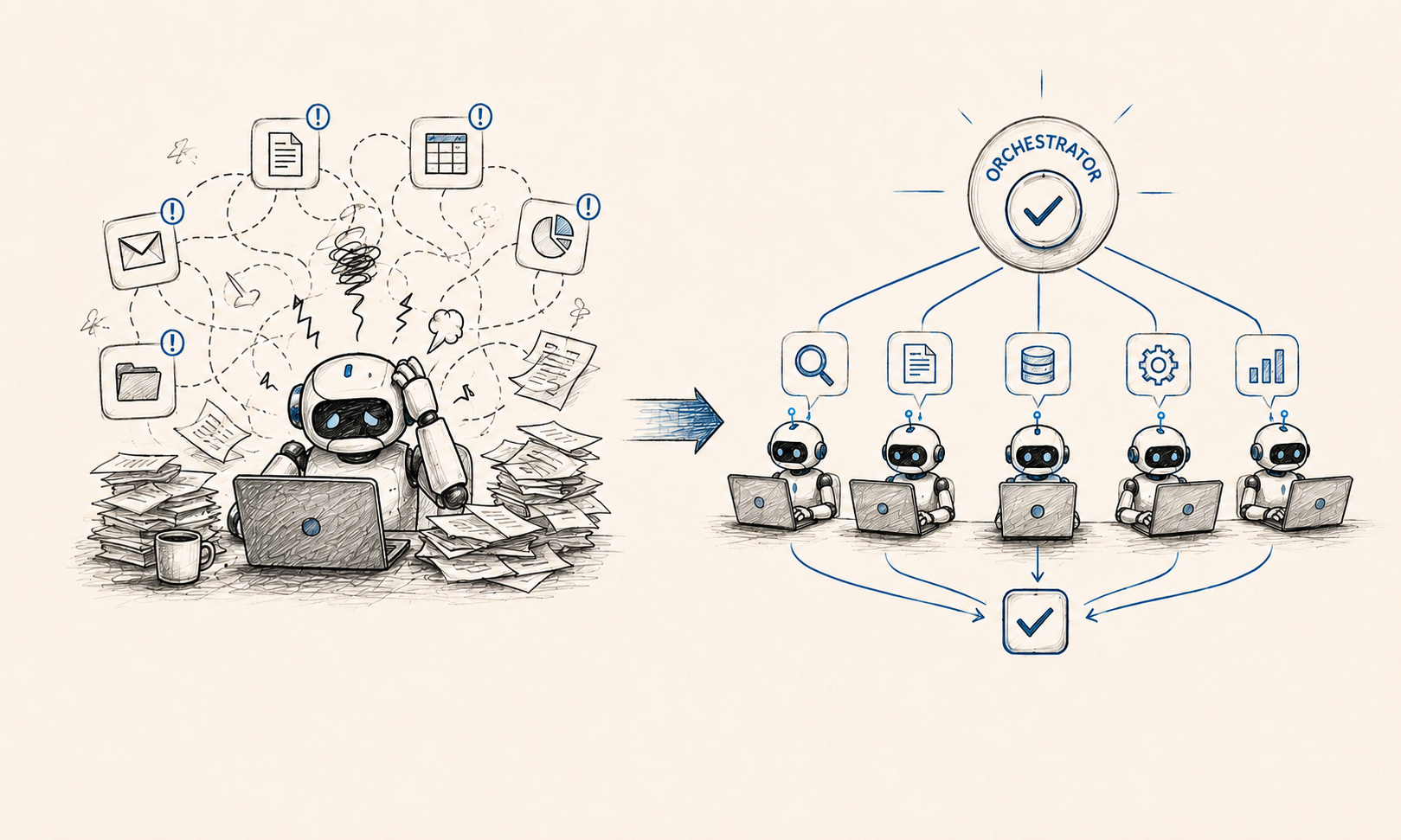
How to Scale Multi-Agent Orchestration Without Communication Failures
If you've ever tried to run a big group project where everyone talks over each other, forgets what was already decided, and duplicates work nobody asked for, then you already understand the biggest challenge in multi-agent orchestration today.
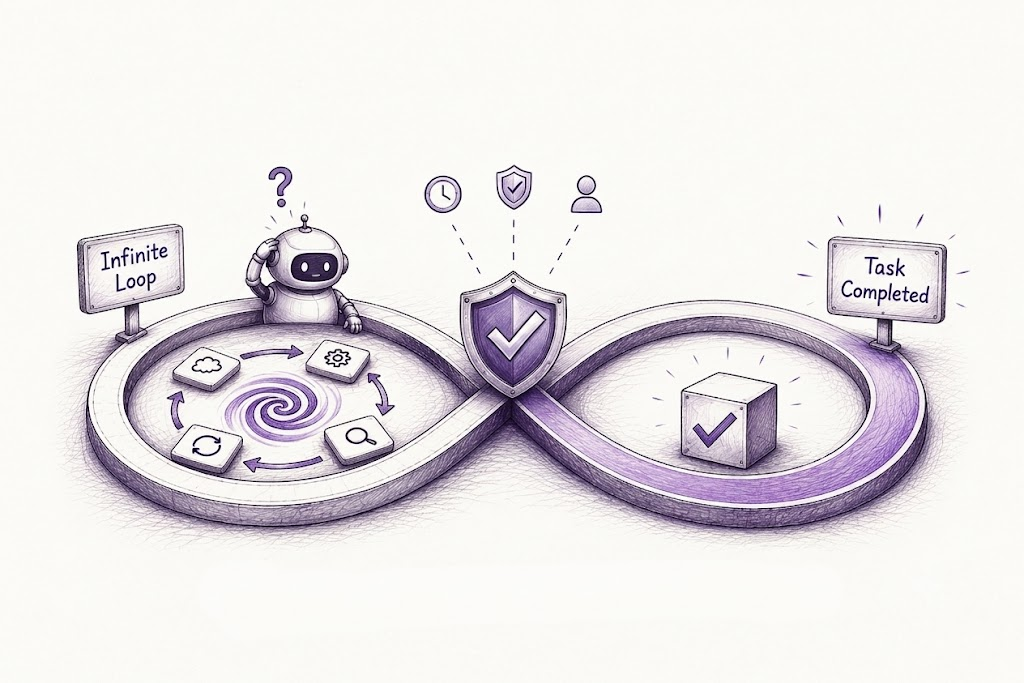
Overcoming the "Infinite Loop" and Stalling in Enterprise AI Agents
If you've deployed an AI agent into a real business workflow, you've probably seen it happen. The agent starts strong, calls a tool, checks the result, calls the tool again and again and again. Or worse, it just stops with no error, no output, nothing.