
What Problems Do AI Voice Agent Solutions Actually Solve?
Key takeaways:
AI voice agent solutions work best on specific, measurable problems like missed calls, rising support costs, slow lead response, and scheduling gaps.
Voice agents are a poor fit for emotional or high-stakes calls, complex negotiations, and broken processes, so human handoff stays essential.
Pick one high-volume use case, score voice agents on the same test calls, and track results like containment rate and first-call resolution.
Every few months, a new wave of excitement hits the phone channel. Demos sound impressive, vendors promise big savings, and leaders start asking whether they should buy something. The better question is a simpler one: what problem are we trying to fix?
AI voice agents can be very good at a specific set of jobs, and not good at others. Businesses that start with the problem tend to see results. Those that start with the technology often end up with an expensive demo. This guide walks through the real problems that AI voice agent solutions handle well, the ones they do not, and how to decide where to begin.
What Are AI Voice Agent Solutions?
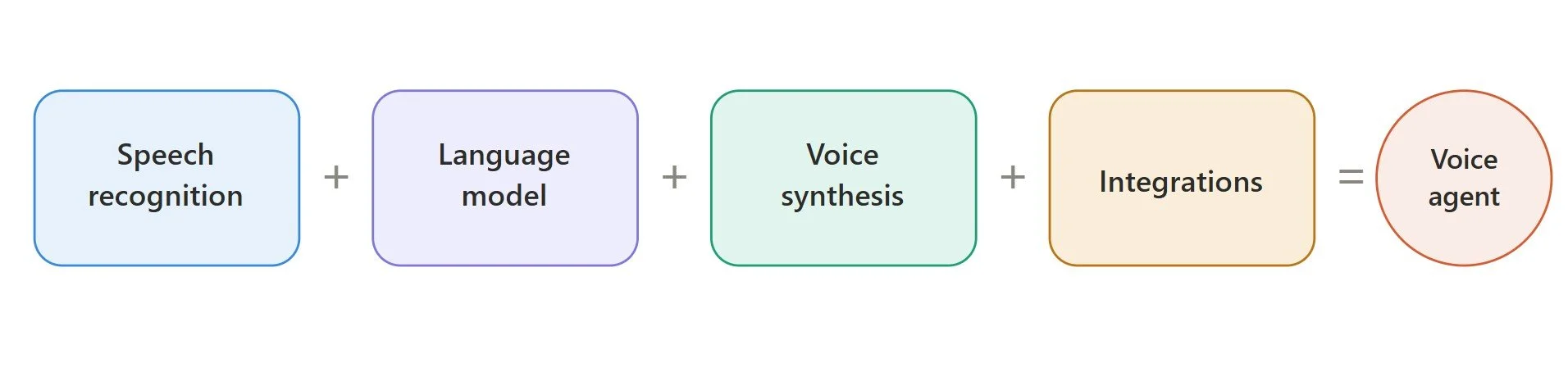
An AI voice agent is software that holds a spoken, two-way conversation with a person, understands what they want, and takes action. Unlike a legacy IVR menu, it handles open-ended speech. Unlike a basic voicebot, it can reason, ask follow-up questions, and connect to your business systems mid-call. Most voice AI agents combine four pieces:
Speech recognition, which turns what the caller says into text
A language model, which works out intent and decides what to do or say
Voice synthesis, which speaks the reply in a natural voice
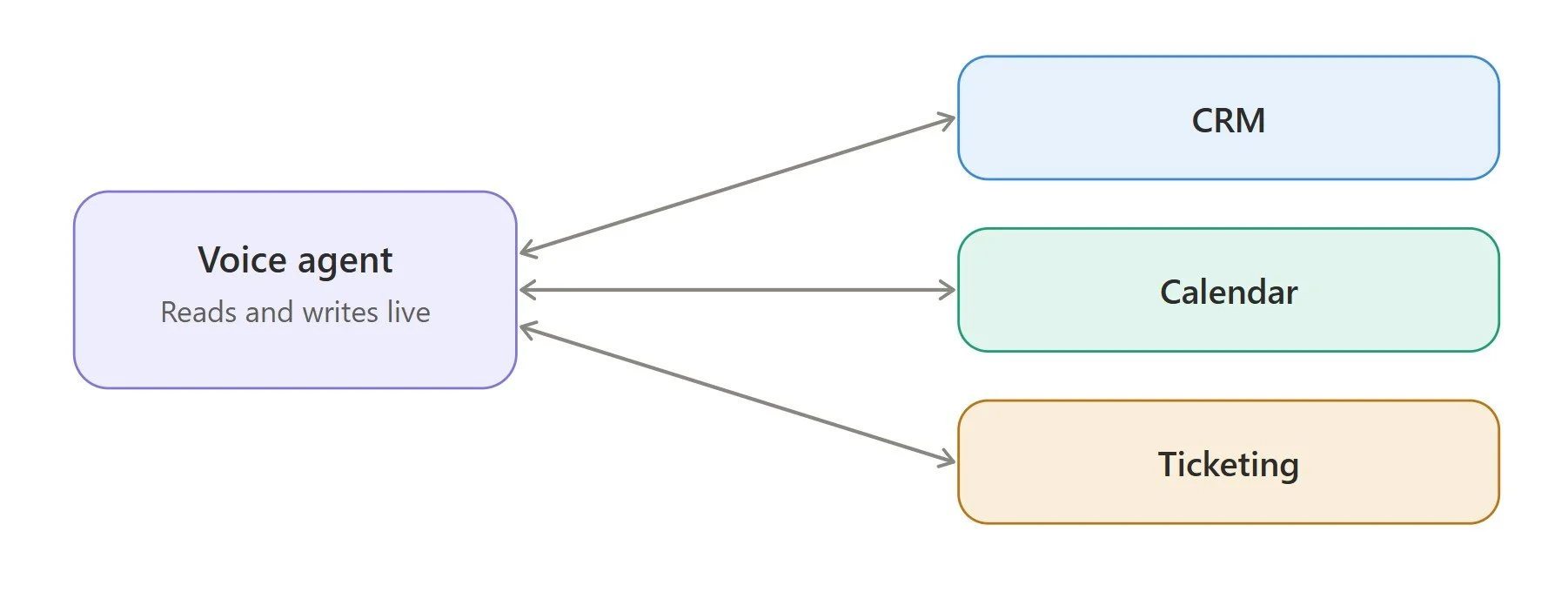
Integrations, which let the agent read and update your CRM, calendar, or ticketing tools
They run wherever voice does: phone lines, mobile apps, websites, and smart devices. Together, these pieces are what make modern AI voice agent solutions far more capable than the phone menus most customers remember. Now let’s get into the everyday business problems the AI voice agents actually solve.
What Problems Do AI Voice Agent Solutions Actually Solve?
1: Long Hold Times and Missed Calls
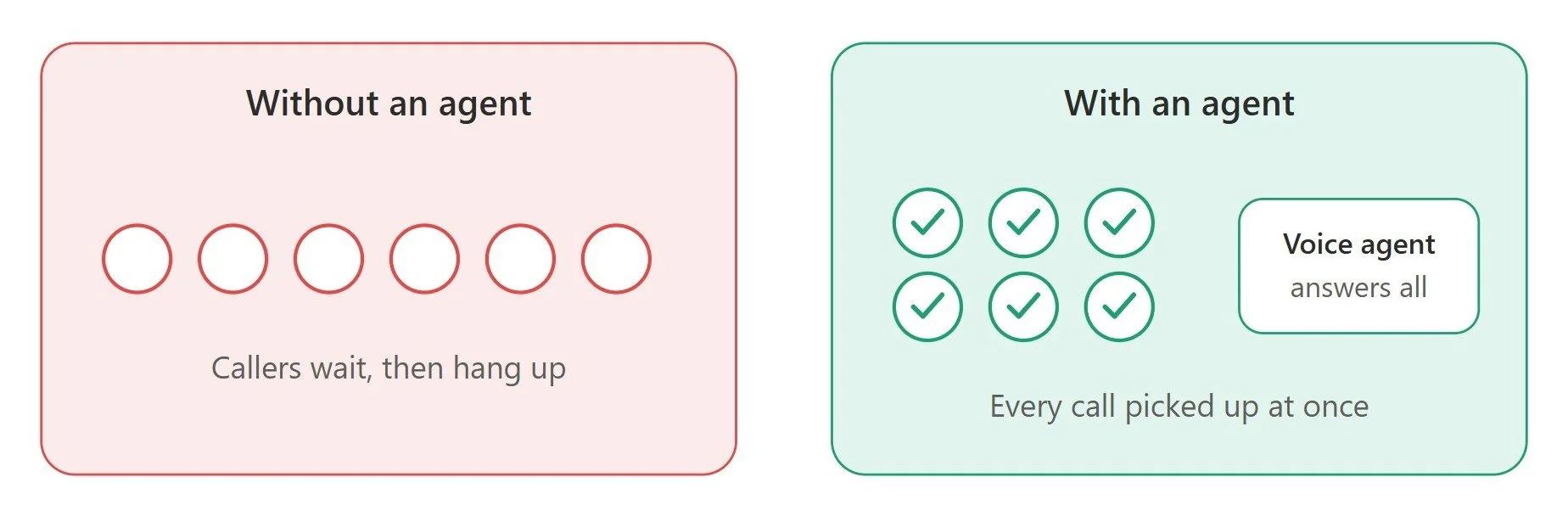
Unanswered calls are lost revenue and lost goodwill. Callers who hit a long queue or voicemail often hang up and try a competitor. Peak hours, lunch breaks, holidays, and after-hours calls make this worse.
A voice agent answers instantly and can handle many calls at once, so there is no queue to wait in. It does not need breaks, and it does not get overwhelmed during a spike. Among the most valuable AI voice agent benefits is simply being there when the call comes in.
Best fit: businesses with unpredictable call volume, small teams that assign people to answer incoming phone calls all day, and any operation that loses calls after hours.
2: Rising Support Costs and Staffing Shortages
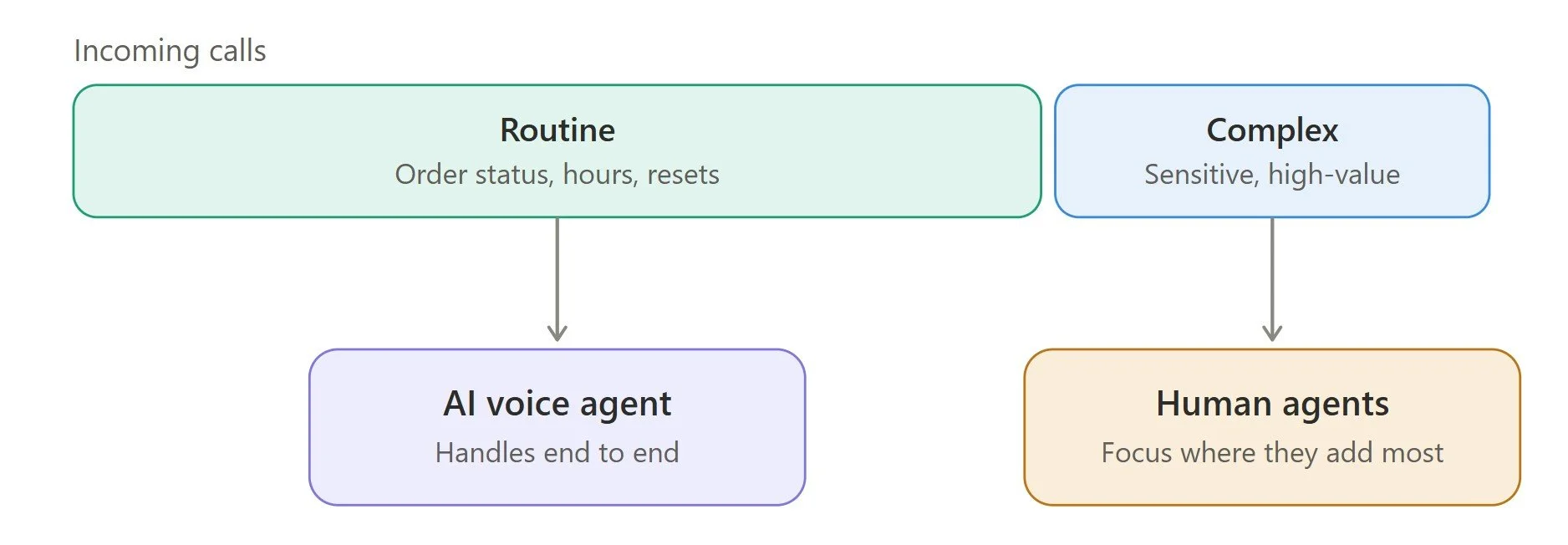
A large share of inbound calls are repetitive: order status, opening hours, password resets, appointment changes, simple billing questions. They follow predictable patterns, yet they consume a huge amount of agent time. Hiring and training enough people to cover them is expensive, and turnover in contact centers is high.
AI voice automation takes on these routine calls end to end, and well-built AI voice agent solutions do it without making callers feel brushed off. Human agents then spend their time on complex, sensitive, or high-value conversations, which is where they add the most. The result is AI-powered customer support that scales with demand without scaling headcount at the same rate. On a per-call basis, automated handling typically costs far less than human-only handling, which is why cost reduction is often the first reason teams explore voice AI.
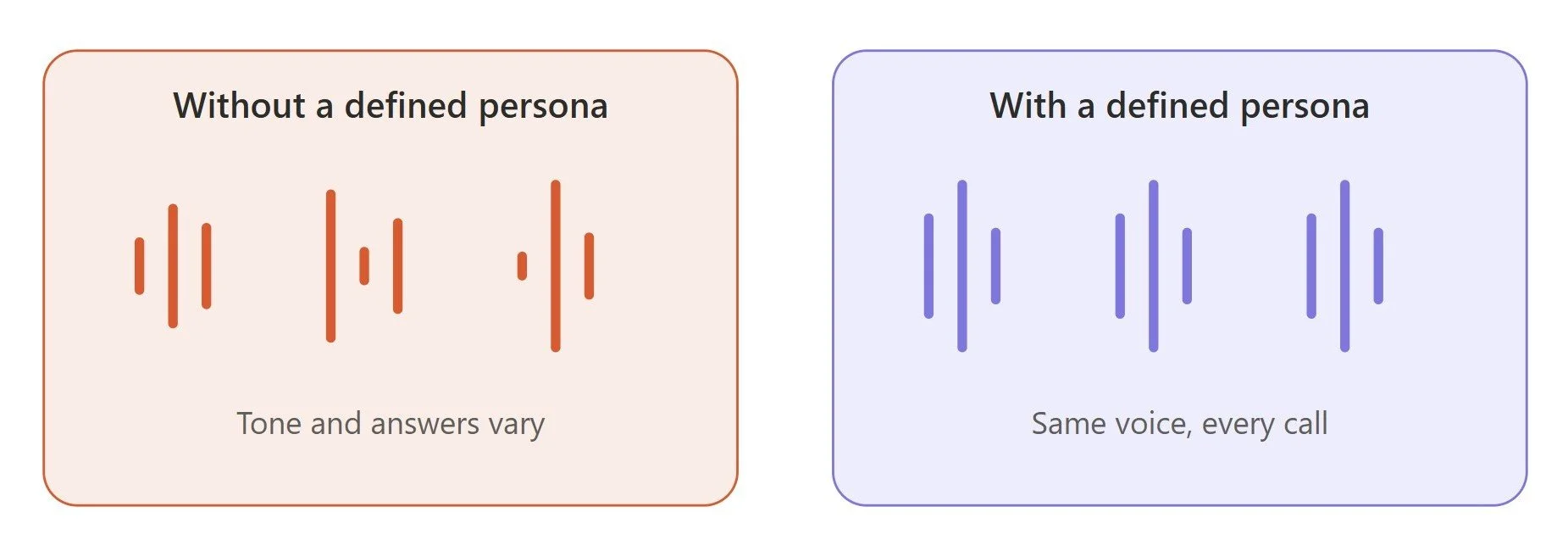
Even good teams vary. One agent is warm and thorough; another is rushed. Answers differ between shifts, locations, and experience levels. Customers notice, and trust decreases when the same question gets different answers.
A well-built voice agent behaves the same way on call one and call ten thousand. A defined persona, approved knowledge sources, and firm guardrails keep tone, wording, and accuracy steady. This also protects your brand voice, since the agent follows the style you set rather than improvising. Consistency is one of the quieter but most durable AI voice agent benefits.
4: Slow Lead Response and Missed Sales Opportunities
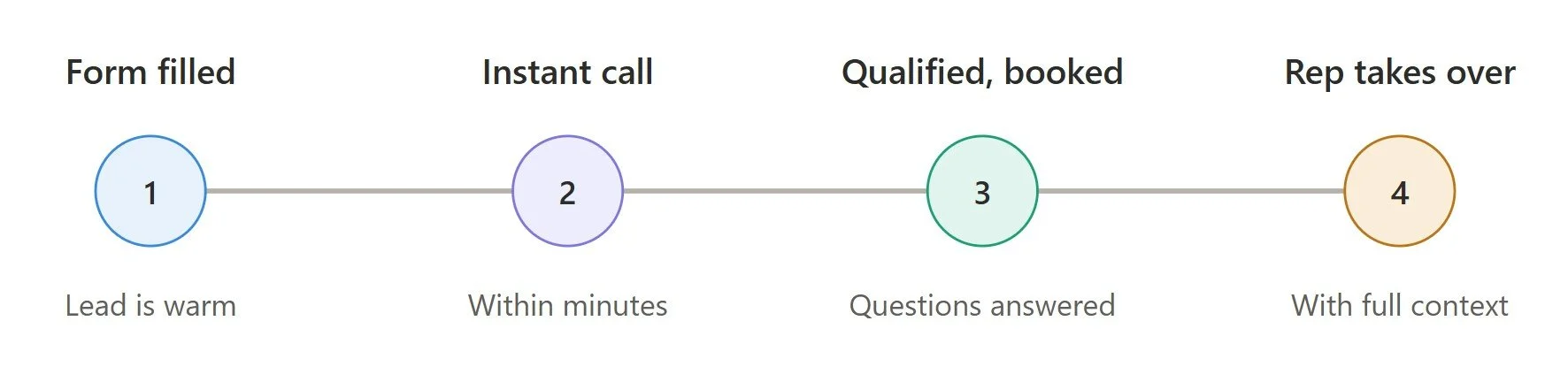
Speed to lead matters. A prospect who fills in a form is most interested in the first few minutes. If nobody calls back until the next day, the moment has passed, and a competitor may have already spoken to them.
Voice agents can call new leads immediately, ask qualifying questions, answer basic product questions, and book a meeting on the spot. When a prospect is warm and ready, the agent hands the conversation to a human rep along with the full context, so the rep never starts from zero. This is one of the most practical AI voice agent use cases for sales and marketing teams, especially those with more inbound leads than reps to follow up.
5: No-Shows, Manual Scheduling and Follow-Up Gaps
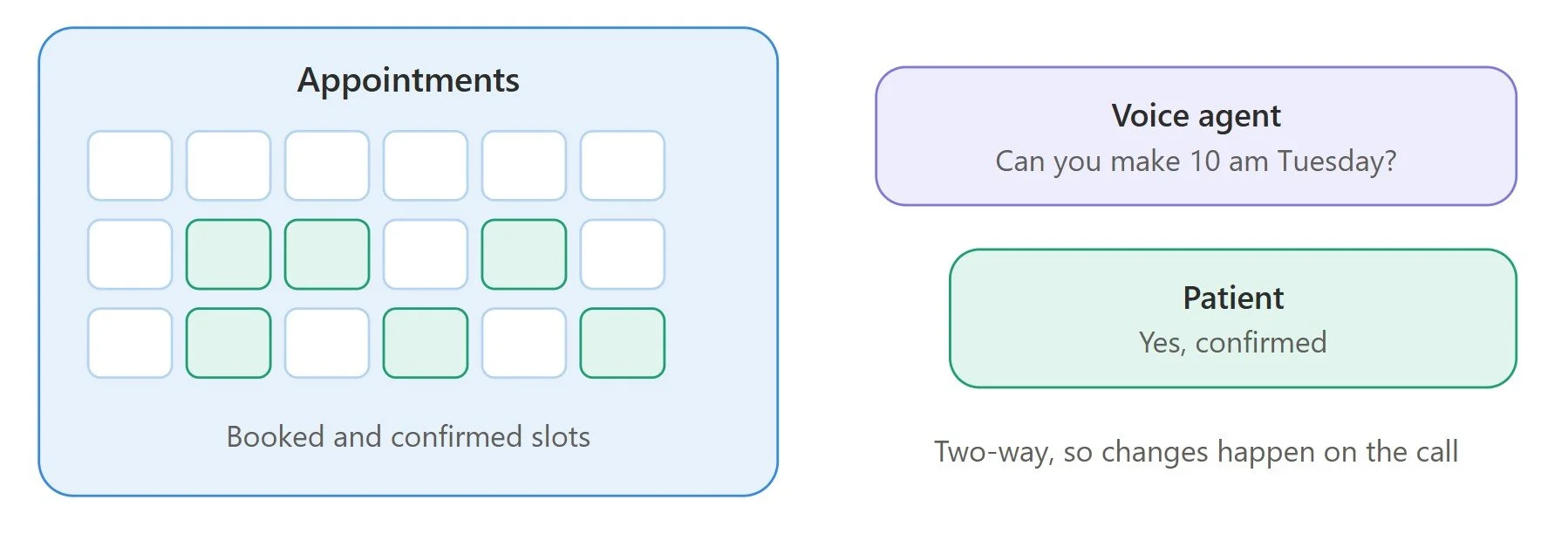
Scheduling looks simple until you do it hundreds of times a week. Staff spend hours on booking, confirming, rescheduling, and chasing no-shows, and follow-up calls often fall off the list when the day gets busy.
A voice agent can book, confirm, and reschedule an appointment in a single call, then send reminders that patients and customers can respond to by voice. Because the call is two-way, a person can confirm or change the time right away instead of ignoring a text. This is especially useful in healthcare, home services, salons, clinics, and any appointment-driven business. It also makes follow-up calls possible at scale, which most teams simply never have the time to do manually.
6: Language and Accessibility Barriers
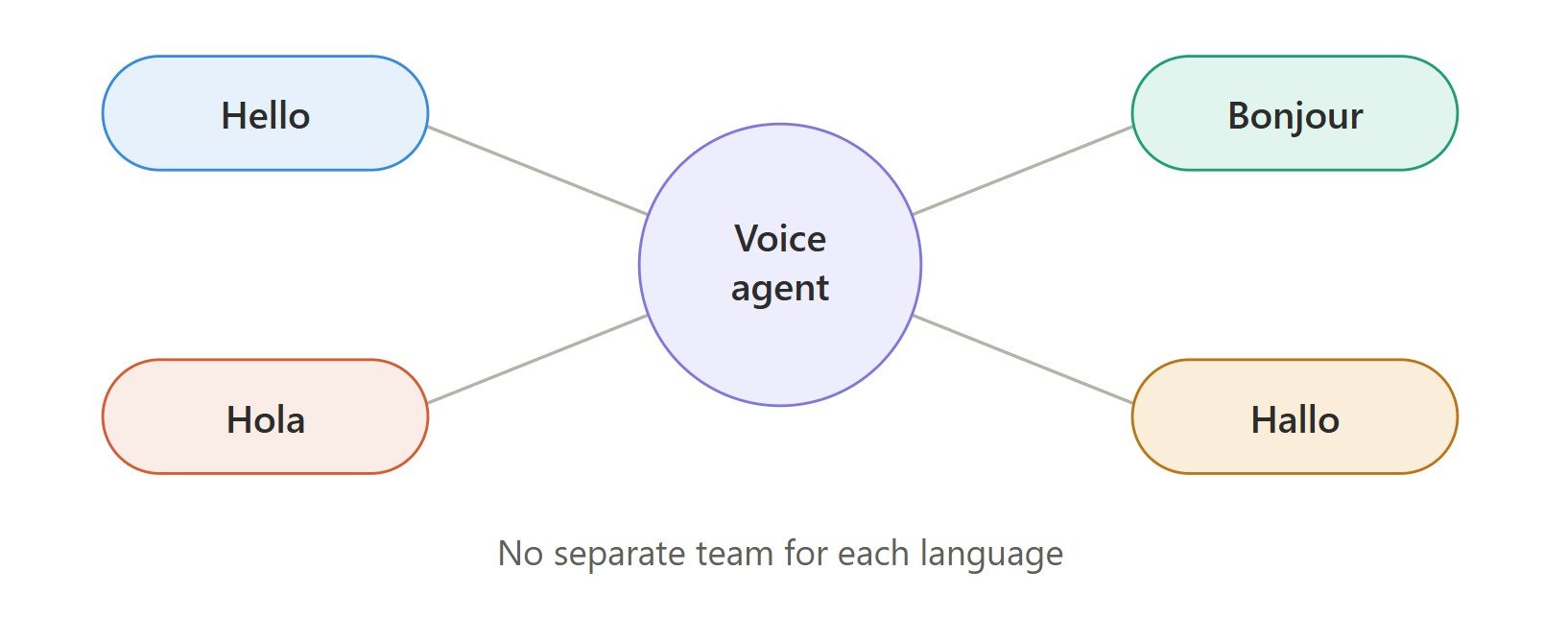
Serving customers in several languages normally means hiring multilingual staff for every shift, which is expensive and hard to cover. And not everyone is comfortable with apps, portals or chat windows. Older customers, people with limited vision, and those with low digital confidence often prefer the phone.
Many AI voice agent solutions can handle multiple languages and accents without a separate team for each, and voice is a more natural channel for many people than a form or portal. That makes service more inclusive without extra headcount.
Limits to watch: accuracy can drop on strong regional accents, heavy background noise or specialist vocabulary, so test on your real callers rather than a clean demo.
7: Lost Data and Poor Visibility Into Calls
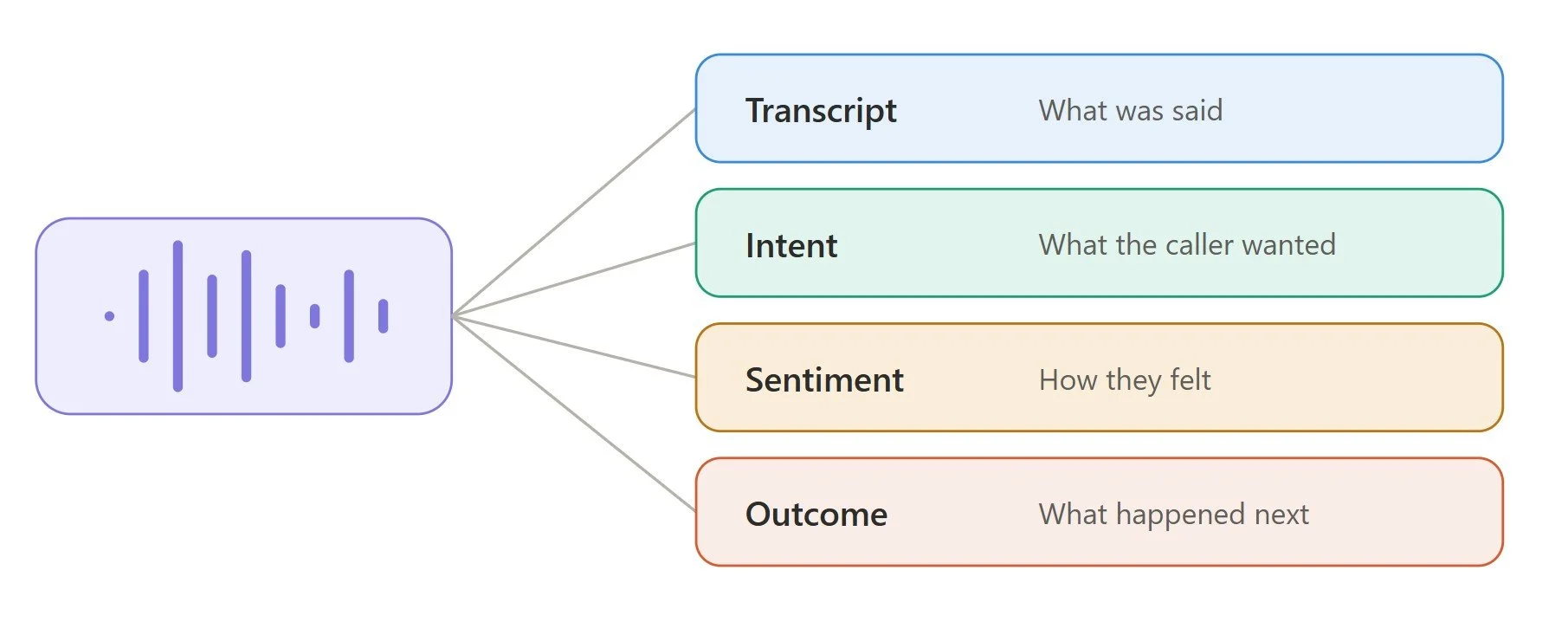
Most phone conversations vanish the moment they end. Teams may sample a few recordings, but the rest goes unanalyzed, which is where customers say what they actually think.
Voice agents turn every call into structured data: a transcript, the caller’s intent, sentiment, and the outcome. That data shows which questions come up most, where customers get frustrated, and which scripts work. Product, marketing, and operations teams can use it to fix root causes instead of guessing. For many companies, this visibility is an underrated reason to adopt AI voice agent solutions, even beyond the calls the agent resolves.
8: Disconnected Systems and Manual Data Entry
After a call, agents often spend minutes typing notes, updating the CRM, and logging tickets. That after-call work adds up, and manual entry creates errors and gaps.
An integrated voice agent reads and writes to your CRM, calendar, and ticketing tools during the conversation, so records are updated as the call happens. This cuts after-call work and copy-paste mistakes. Integration depth is also what separates a genuinely useful agent from a simple chatbot that can only talk. It is usually the hardest part to get right, which is why many businesses turn to specialist AI voice agent development services to connect the agent cleanly to legacy CRMs and phone systems.
What Problems AI Voice Agents Do Not Solve
Being honest about limitations of voice agents builds better projects. Voice AI is a poor fit for:
Emotionally sensitive or high-stakes conversations, such as collections disputes or crisis calls, where human warmth and judgment matter
Complex negotiations and nuanced decisions that depend on reading the situation
Broken processes. If your workflow is confusing or your policies are inconsistent, automating it just makes the confusion faster
Situations with no clear data source. An agent cannot answer accurately from information that does not exist
This is why human escalation stays important. The best deployments hand off smoothly, with the full conversation context, the moment a call goes beyond what the agent should handle.
How to Tell Whether Your Business Has the Right Problem for Voice AI
A quick checklist helps you decide where to start. Voice AI tends to work well when you have:
High call volume, or calls that spike unpredictably
Repetitive questions and requests with clear answers
Reliable data sources the agent can read from, such as a CRM, knowledge base, or scheduling system
A measurable outcome, such as booked appointments, resolved tickets, or qualified leads
Pick one narrow use case that proves value quickly, such as after-hours call handling, appointment reminders, or lead follow-up. Starting small lets you learn, tune the experience, and build internal confidence before expanding. If your team lacks conversational AI experience, it can be worth the effort to hire AI developers early, since the gap between a working demo and a reliable pilot sits mostly in integration, testing, and tuning.
Red flags that suggest waiting: unclear processes, no owner for the project, no way to measure success, or an expectation that the agent will handle everything from day one.
How to Measure Whether the Solution Is Actually Working
Choosing the right metrics is important when you measure the solution. Whichever AI voice agent solutions you adopt, the most useful numbers to track are:
Containment rate: the share of calls the agent resolves without a human
First-call resolution: whether the caller’s issue was actually solved
Average handle time and abandonment rate: how long calls take, and how many callers hang up
Customer satisfaction: CSAT or NPS, ideally compared with human-handled calls
Conversion impact: more booked appointments, qualified leads, or completed sales
Latency and accuracy on real calls: because a slow or inaccurate agent frustrates callers quickly
Track these from the first week, and review them against a baseline you captured before launch.
How to Choose the Right AI Voice Agent Solution
Once you know the problem, you can evaluate the options. The market for AI voice agent solutions is crowded. So a structured checklist helps you compare different tools and solutions on what actually affects results. Work through these five areas.
Evaluate conversational quality and the ability to understand natural speech. Callers notice this first. Test interruptions, accents, and background noise using real recordings from your own customers, not a polished demo.
Check integrations with CRM, help desk, and scheduling software. An agent that cannot read and write to your systems can only talk. Ask to see integrations with different platforms and tools.
Assess scalability, analytics, security, and data handling. Check that quality holds during call spikes, reporting is usable, and call data is stored securely with clear rules on retention and access.
Confirm human handoff and customization options. The agent should transfer to a human with full context, and you should be able to shape its voice, scripts, and escalation rules.
Compare total cost of ownership against expected business benefits. Look beyond per-minute pricing. Add setup, integration, and tuning costs, then weigh them against expected gains like fewer missed calls and lower handling costs.
Final Thoughts
The right way to think about AI voice agent solutions is as tools for specific problems: calls going unanswered, costs rising, service varying from agent to agent, leads going cold, appointments slipping, and data disappearing. When one of these is costing you real money or goodwill, an AI voice agent can be a practical fix. When the underlying process is broken, or the conversations need deep human judgment, it is not.
Start from the problem, not the technology. Map your top call types, find the high-volume and repetitive ones, and pick one to test run. Measure it honestly, learn from it, and expand from there.
Frequently Asked Questions
-
AI voice agents help small businesses answer every call, book appointments, qualify leads, and handle routine questions, even after hours. That means fewer missed opportunities without hiring extra staff or tying up the owner’s time.
-
Not entirely. They handle routine, repetitive calls well, but emotional, complex, or high-stakes conversations still need people. The best setups let agents take the routine work and hand off to humans smoothly, with full context.
-
Voice AI agents take over high-volume routine calls like order status, hours, and scheduling, reducing the staffing needed for them. Automated handling typically costs far less per call, and human agents focus on complex work.
-
Yes. Small businesses often gain a lot, since few can staff phones all day. Start with one narrow use case, like after-hours calls or appointment booking, on a ready-made platform to keep setup simple.
-
Yes. Unlike a human agent, a voice agent can handle many calls at once, so there is no queue during peaks. Capacity still depends on the platform, so test performance under realistic call volumes.
-
Industries with high call volume and repetitive requests benefit most, including healthcare, home services, retail, financial services, and any appointment-driven business. The common thread is predictable questions, clear data sources, and measurable outcomes.
-
It depends on scope. A narrow use case on a ready-made platform can launch quickly, while custom voices and deep CRM integrations take longer. It’s always better to consult with AI agent implementation experts before you plan to deploy and get a better idea of how long the implementation takes.
Related Readings
Let's Talk
Drop us a note, we’re happy to take the conversation forward 👇🏻