
How to Eliminate Offensive Auto-Translated Responses in Customer Support
Key takeaways:
Generic machine translation often misses cultural context, idioms, and tone, causing replies that sound rude or offensive even when unintended.
Strong translation quality assurance, context-aware models, glossaries, sentiment preservation, and human review catch these errors before customers see them.
Purpose-built tools like ChatBridge handle live support conversations more reliably than generic translation APIs never designed for customer-facing chat.
Every support team using automated translation has had that moment. A message goes out, everything looks fine on the surface, and then someone flags it. Turns out the translation came out sounding rude, dismissive, or, in the worst cases, genuinely offensive. Nobody meant for it to happen. But it happened anyway, and now there's a customer who feels insulted instead of helped.
So, it's a real risk that comes with automated translation in customer service, especially when the tool behind it wasn't built with nuance, tone, or cultural context in mind. The good news is that this problem is very fixable once you understand where it actually comes from and what a properly built system does differently. Let's walk through why this happens and how to stop it from happening in your support conversations.
Why Automated Translation Sometimes Gets It Badly Wrong
Machine translation works by predicting the most statistically likely words to use in another language based on the input it receives. Most of the time, that works reasonably well for straightforward sentences. But language isn't just a string of words. It's tone, intent, cultural context, idiom, and sometimes sarcasm, none of which translate cleanly through a word-by-word or even phrase-by-phrase system.
Here's where things typically go wrong:
Unintended meanings across languages. A phrase that's completely normal in one language can carry an unintended meaning in another.
Culturally loaded words. A word that's neutral in English might be considered rude, dismissive, or even offensive in a different cultural context.
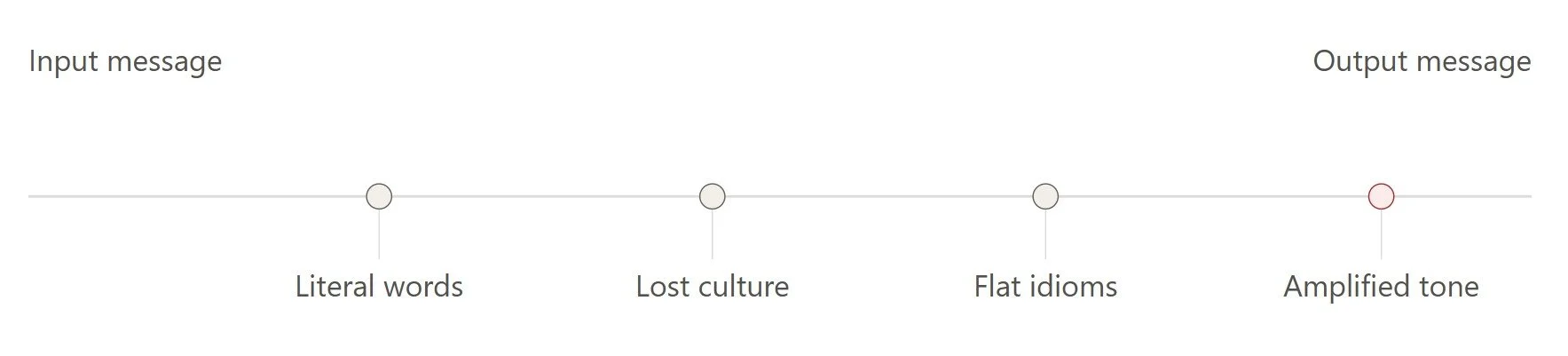
Literal idiom translation. Idioms and casual phrasing, the kind agents use without thinking twice, often translate literally instead of contextually, which can come out sounding blunt or strange.
Mishandled urgency and emotion. A frustrated customer typing quickly, using shorthand, or expressing anger doesn't always translate cleanly either. Basic translation tools tend to either soften things too much, losing the actual urgency, or amplify tone in a way that reads far more aggressive than intended. Sometimes in the agent's outgoing message, not just the customer's incoming one.
None of this happens because the technology is bad on purpose. It happens because general-purpose translation wasn't built with the specific sensitivity that live customer conversations require.
The Real Cost of a Bad Translation Reaching a Customer
It's worth pausing here to talk about why this actually matters beyond just being embarrassing.
When translation in customer chat support goes wrong, the damage isn't limited to one awkward exchange. A customer who receives a message that sounds rude or offensive doesn't usually give the benefit of the doubt. They don't think "oh, that's probably just a translation error." They think the company doesn't respect them, or worse, that the company meant it that way.
That reaction can escalate quickly:
Screenshots get shared
Complaints get louder
A simple support interaction can turn into a public relations problem, especially if the phrasing touches on anything culturally or socially sensitive
Trust, once damaged this way, is genuinely hard to rebuild, and it often affects far more than just that one customer. This is exactly why multilingual customer support can't be treated as an afterthought bolted onto your existing tools. The quality of the translation directly shapes the quality of the relationship.

Understanding Where Offensive Translations Actually Come From
To fix this properly, it helps to know the specific failure points that lead to bad output.
1. Word-for-word translation: Systems that translate literally, without understanding sentence-level or conversational context, are far more likely to produce phrasing that sounds harsh or strange, even when the underlying message was perfectly polite.
2. Missing cultural context: A word or phrase might be completely fine in a business context in one country and inappropriate or overly casual in another. Formality levels also differ significantly across languages, and a translation that doesn't account for that can come across as disrespectful even when it's technically accurate.
3. Slang, idioms, and regional expressions: If an agent writes something like "that's a bummer" or uses a common English idiom, a poor translation system might render it in a way that sounds nonsensical or unintentionally rude in another language.
4. Tone amplification with emotionally rich messages: Systems that aren't built with sentiment awareness sometimes translate frustration or urgency in a way that reads far more hostile than what was actually intended, which can make an already tense conversation worse.
Practical Steps to Reduce the Risk of Offensive Translations
Beyond the technology itself, there are concrete steps customer support teams can take to reduce this risk:
1. Audit common phrases your agents actually use. Every support team develops its own shorthand, and running your most frequently used responses through your translation system ahead of time can surface problem phrases before they ever reach a real customer.
2. Build a flagged terms list specific to your industry and customer base. Certain words carry different weight depending on context, region, and audience, and a static list that gets reviewed periodically can catch a lot of issues proactively.
3. Train agents on translation-aware writing. Simple habits, like avoiding heavy idioms, sarcasm, or overly casual phrasing in written support conversations, reduce the chances of a translation system misinterpreting intent in the first place.
4. Choose a translation solution built specifically for customer support conversations, not a generic translation API repurposed for the job. This distinction matters more than it might seem. A Salesforce chat translator designed specifically for live support conversations in Salesforce tends to handle tone and context far more reliably than a general-purpose tool adapted after the fact.
5. Review flagged conversations regularly. Even with good systems in place, occasional review of chats where a customer reacted negatively can help identify patterns before they become recurring problems.
Preventing Offensive Translated Responses Before They Reach Customers
Beyond the technology itself, there are concrete steps customer support teams can take to reduce this risk:
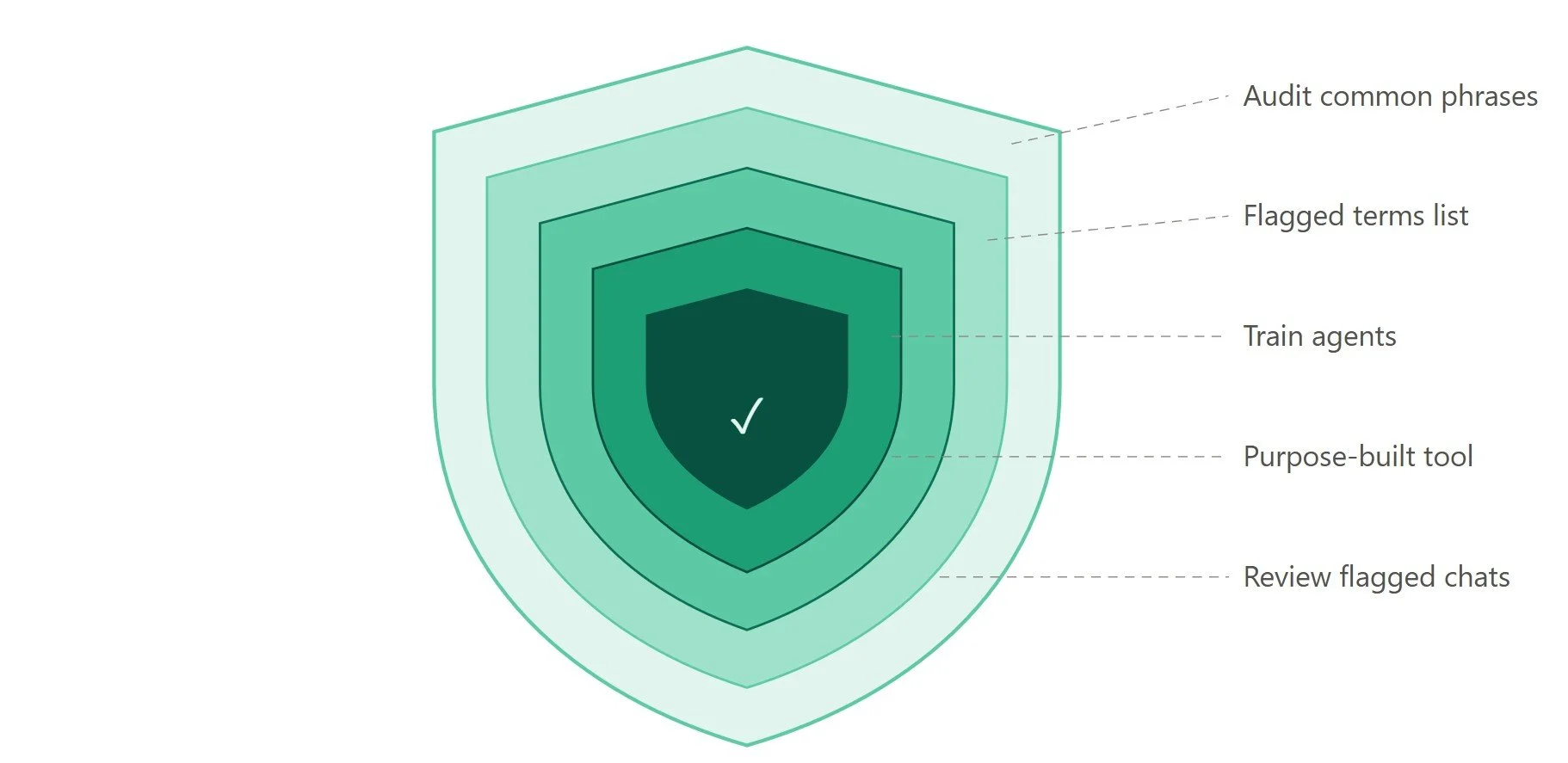
1. Audit common phrases your agents actually use. Every support team develops its own shorthand, and running your most frequently used responses through your translation system ahead of time can surface problem phrases before they ever reach a real customer.
2. Build a flagged terms list specific to your industry and customer base. Certain words carry different weight depending on context, region, and audience, and a static list that gets reviewed periodically can catch a lot of issues proactively.
3. Train agents on translation-aware writing. Simple habits, like avoiding heavy idioms, sarcasm, or overly casual phrasing in written support conversations, reduce the chances of a translation system misinterpreting intent in the first place.
4. Choose a translation solution built specifically for customer support conversations, not a generic translation API repurposed for the job. This distinction matters more than it might seem. A Salesforce chat translator designed specifically for live support conversations in Salesforce tends to handle tone and context far more reliably than a general-purpose tool adapted after the fact.
5. Review flagged conversations regularly. Even with good systems in place, occasional review of chats where a customer reacted negatively can help identify patterns before they become recurring problems.
None of this needs to slow down a live conversation significantly. But it does require the translation system to be built with these safeguards from the start, rather than added as an afterthought once problems start showing up.
Why Purpose-Built Tools Handle This Better Than Generic Ones
Generic translation APIs were built to translate general web content, documents, and text at scale. They weren't built with the specific emotional and cultural sensitivity that live customer support conversations require.
Tools built specifically for support environments, like ChatBridge, are designed with this exact problem in mind. Because ChatBridge operates as a Salesforce chat translation app working directly inside the Service Console, it's built around the reality of live customer conversations rather than static text translation. That context matters.
A tool designed specifically for support conversations is far more likely to account for tone, urgency, and the kind of everyday phrasing agents actually use, compared to a translation layer that was never designed with customer relationships in mind. This kind of purpose-built approach also tends to come with the accountability that generic APIs often lack.
Building a Long-Term Approach to Multilingual Support Quality
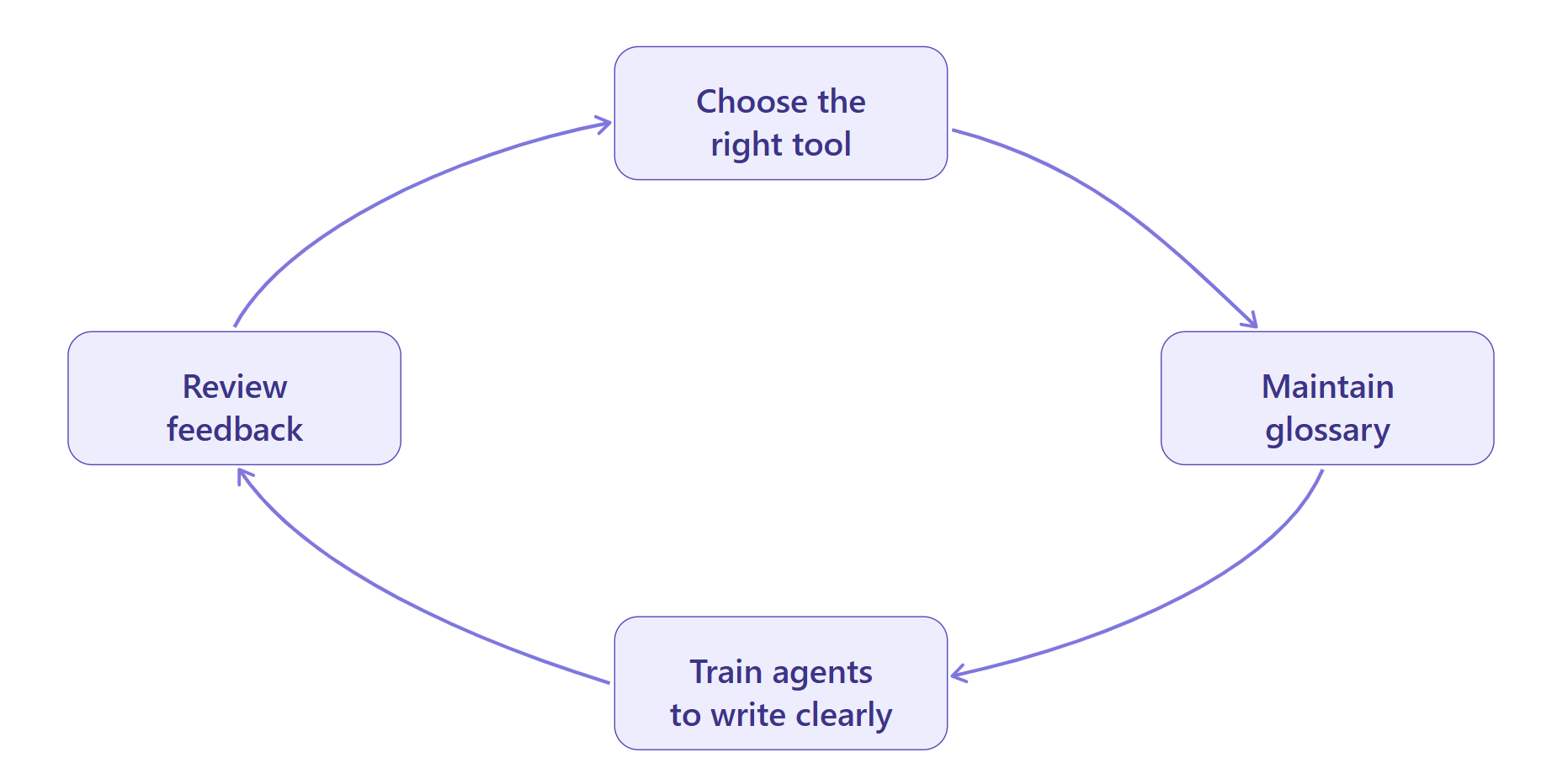
Eliminating offensive auto-translated responses isn't a one-time fix. It's an ongoing commitment to treating translation as a core part of customer experience, not a background utility. A solid long-term approach includes:
Choosing translation tools built specifically for support conversations rather than general translation APIs
Maintaining terminology and glossary controls that get reviewed periodically
Training agents to write with translation in mind, even subtly
Keeping a feedback loop open, so that when something does go wrong, it gets caught, corrected, and prevented from happening again
Multilingual translation in customer support carries real weight. Done well, it makes customers feel understood regardless of what language they speak. Done poorly, it can undo the trust a business has spent years building, in a single careless message.
The Bottom Line
Offensive auto-translated responses aren't inevitable. They're the predictable result of using translation tools that weren't built with the sensitivity that live customer conversations demand. Once you understand where these failures actually come from, whether it's literal translation, missing cultural context, or poor handling of tone, the fix becomes much clearer.
Investing in proper translation quality assurance, training agents to write with translation in mind, and choosing tools purpose-built for customer support conversations go a long way toward preventing these situations before they happen. Getting this right isn't just about avoiding embarrassing mistakes. It's about making sure every customer, in every language, actually feels respected by the support they receive.
Related Readings
Let’s Talk

Drop us a note, we’re happy to take the conversation forward 👇🏻