

Salesforce Blogs

Conversational AI vs. Agentic AI: Which One Actually Makes Sense?
Over the last few years, AI has become more involved in all important aspects of businesses. It’s moved from “interesting experiments” to systems with real impact.
If you work in customer service or operations, you’ve probably felt this shift already. AI isn’t just answering questions anymore; it is doing something magical.
Salesforce Marketing Cloud vs Marketo Engage: What’s the Difference?
Choosing between Salesforce Marketing Cloud and Adobe Marketo Engage isn’t about going with the bigger brand or the longer feature list. Both are powerful. Both are proven. But the selection depends on what you want to achieve.
ChatLingual vs ChatBridge: Salesforce Chat Translation Comparison
As businesses grow beyond borders, customer conversations no longer happen in just one language. A customer might start a chat in Portuguese, Spanish, or Japanese, while your support team operates entirely in English. What should be a quick, helpful interaction suddenly becomes a challenge.

Venizum vs Chatbridge: Comparing real-time chat translators for Service Agents
For businesses aiming to grow across regions or go global, language is the key. The way you communicate shapes how customers experience your brand. Yet there’s one challenge no business can escape: we don’t all speak the same language.

Top 5 Customer Support Challenges That Lumi Solves with Ease
A customer waits on hold for five minutes, then ten. By the time someone picks up, they're already frustrated and maybe browsing your competitor. Moments like these aren't rare. In fact, poor customer service costs companies upwards of $75 billion each year in the U.S.

Introducing ChatBridge: Real-Time Multilingual Chat Translation for Salesforce
For years, chat has been one of the most effective ways to deliver quick, cost-efficient customer support. It’s fast, scalable, and perfect for resolving simple queries without requiring one-on-one interactions.

GenRocket vs Smock-It: Best Alternative for Salesforce Test Data Generation
No matter how hard testers try, achieving complete test coverage manually is nearly impossible. Every test needs data that looks real but is actually fake, and generating it the traditional way can be time-consuming.
Faker.js Vs Smock-It: Which Mock Data Generator Is Right for You?
Testing isn’t complete unless it covers various conditions, scenarios, or user roles. However, using real users or production data is often impractical or even risky. This is where realistic test data plays an important role. It bridges the gap between limited-scope testing and comprehensive testing that mirrors real-world usage.
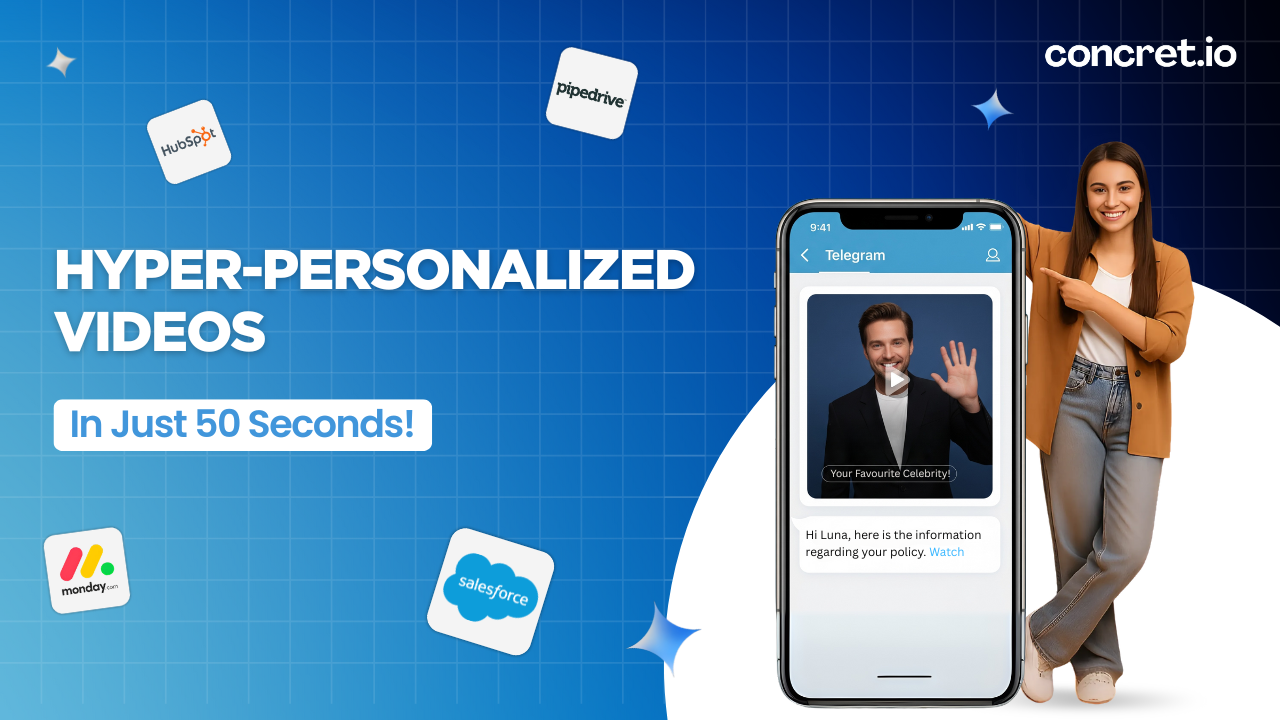
From Static Emails to AI Avatars: The Future of Customer Engagement
Businesses are constantly exploring smarter ways to personalize customer experiences without overspending. But personalizing every interaction and doing it at scale has always been a challenge.

How to Create a Test Data Template in Smock-It
Generating realistic test data can be challenging, especially in Salesforce, where maintaining relationships between objects adds an extra layer of complexity. Fortunately, a powerful test data generation tool like Smock-it can simplify this process,

Mockaroo vs Smock-It: Best Random Data Generator for Salesforce
If you’re a Salesforce QA or developer, you have likely encountered the need to generate mock data. Let’s face it, manually creating test data is time-consuming and not scalable when working with large datasets. This is where free mock data generation tools like Mockaroo and Smock-it come into play.

Introducing Lumi: The Conversational AI Agent for Customer Support
Lumi AI voice assistant. An Agentic AI chatbot that doesn’t just respond but truly understands, engages, and solves problems in real time. Say hello to Lumi, the AI voice assistant that doesn’t just talk, she understands your intentions — what you want and takes action.

Smock-it V3: Speed, Power, and Precision Like Never Before!
We’re excited to take the big next step with Smock-it V3. A smarter, faster, & more streamlined way to generate Salesforce test data that mirrors real-world scenarios.

Smock-it GitHub Actions: Instant Salesforce Mock Data for CI/CD!
Tired of flaky tests in Salesforce CI/CD? Discover how Smock-it GitHub Action automates test data generation—boosting speed, consistency, and compliance across scratch orgs, UAT, and sandboxes. Explore setup, use cases, and FAQs!
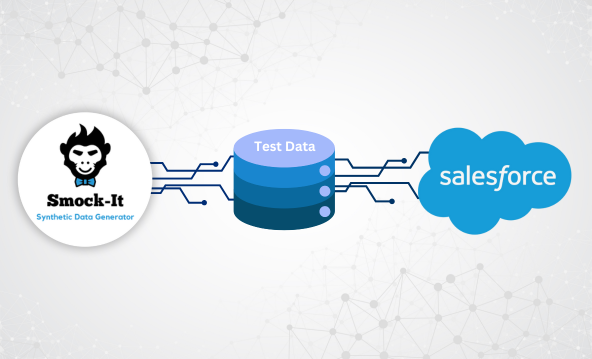
How to Create Test Data in Salesforce Using Smock-it?
Want to create test data for Salesforce within minutes? This blog explores the prospects of using Smock-it, a Salesforce CLI plugin designed to simplify synthetic test data generation in Salesforce.

Snowfakery vs Smock-It: What’s Best for Salesforce Test Data Generation?
Snowfakery and Smock-It are two powerful Salesforce test data generation tools. But which one is the right fit for you? Let’s compare their features, automation, and ease of use to help you decide.

How to Install Smock-it?
Smock-it is a CLI-based plugin that quickly generates realistic mock data for testing. It's ideal for QA professionals, developers, and Salesforce admins, helping them validate system functionality and workflows while safeguarding customer data privacy.