
Key takeaways:
Choose a partner with proven Salesforce and Agentforce development experience, relevant certifications, and successful project case studies.
Evaluate their expertise in security, custom development, and integrations to ensure a reliable implementation.
Prioritize partners offering ongoing support, monitoring, and optimization to help your apps and solutions scale.
Salesforce AgentExchange is creating new opportunities for businesses to explore AI-powered solutions and extend their Salesforce capabilities. From building custom AI agents to automating business workflows, organizations can use the AgentExchange (formerly known as AppExchange) ecosystem to find solutions that support their goals.
However, getting the most out of these solutions often requires the right technical expertise. Businesses may need help designing AI agents, developing custom actions, connecting Salesforce with other systems, and ensuring that everything works securely. This is where a Salesforce AgentExchange partner can help.
Choosing the right partner is an important decision. The partner you select should understand your business requirements, have practical Salesforce and Agentforce experience, and be able to support your implementation beyond the initial launch.
In this guide, we will explain what a Salesforce AgentExchange partner does, what to look for when evaluating providers, and how to choose one that fits your business needs.
What Is a Salesforce AgentExchange Partner?
A Salesforce AgentExchange partner is a service provider or technology company that helps businesses build, customize, integrate, or implement solutions within the Salesforce AgentExchange ecosystem.
Depending on their specialization, these providers may help organizations develop custom AI agents, create agent actions, connect external applications, or implement existing Salesforce solutions.
It is important to understand that not every provider offers the same services. Broadly, businesses may come across two types of partners:
Consulting and implementation partners: These providers help businesses plan and implement Salesforce solutions. Their services may include Agentforce consulting, custom development, integration, configuration, and ongoing support.
Independent Software Vendors (ISVs): Salesforce ISV partners help develop applications, integrations, and other products that extend Salesforce capabilities. They may build solutions that are listed or distributed through Salesforce marketplaces.
Some providers may offer both product development and consulting services. Therefore, businesses should first identify whether they need a ready-made solution, a custom implementation, or a combination of both.
8 Factors to Consider When Choosing a Salesforce AgentExchange Partner
Once you understand the type of support you need, you can start evaluating potential partners. Here are eight important factors to consider.
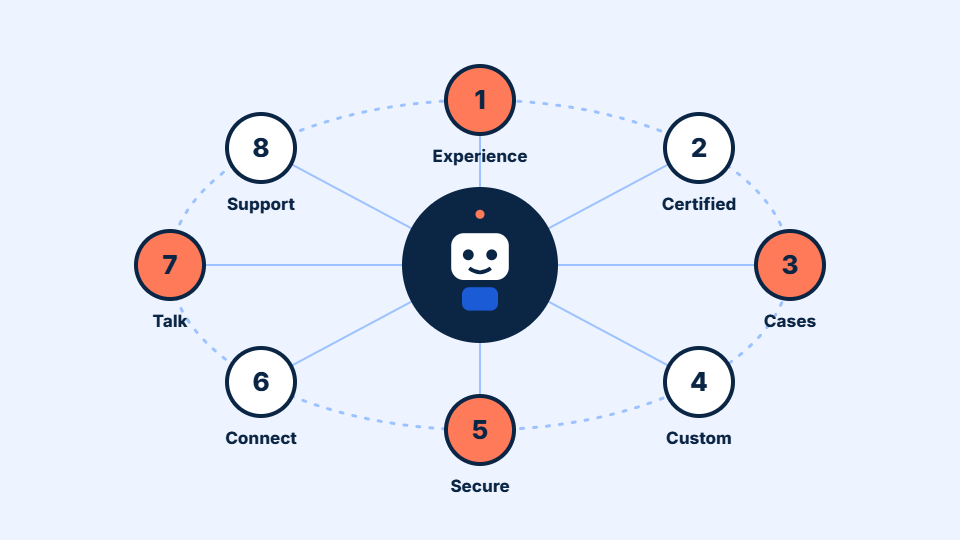
1. Experience with Salesforce and Agentforce
Start by evaluating the provider's experience with Salesforce. A partner may have years of experience implementing Salesforce CRM, but that does not automatically mean they have the expertise needed to build and deploy AI agents.
Look for hands-on experience with Agentforce and related Salesforce technologies. This may include Data 360, Salesforce Flow, Apex, APIs, and other tools used to build connected AI workflows.
Ask potential partners about the Agentforce projects they have completed. Find out what types of agents they have developed, which business processes they have automated, and what challenges they have addressed.
You should also check whether their team understands how Agentforce fits into your existing Salesforce environment. This helps ensure that the solution works with your current processes instead of creating unnecessary complexity.
2. Relevant Certifications and Verified Competencies
Salesforce certifications can help you understand a provider's technical knowledge. They also indicate whether team members have completed formal Salesforce training and assessments.
When evaluating a partner, review the certifications held by the developers, consultants, and architects who may work on your project. Look for credentials relevant to your requirements, such as Salesforce administration, development, architecture, and AI-related technologies.
You should also check the provider's Salesforce partner profile, relevant competencies, and customer feedback where available.
However, certifications should not be your only selection criteria. A certified Salesforce consultant may understand the platform well, but practical experience is equally important. Ask how the team has applied its knowledge in real projects and whether it can demonstrate relevant results.
3. Proven Project Experience and Case Studies
A partner's previous projects can tell you a lot about its ability to deliver your solution.
Look for case studies involving Agentforce, AI agent development, Salesforce automation, and system integrations. Ideally, these projects should have similarities to your industry, business processes, or technical requirements. When reviewing case studies, pay attention to:
The business problem the partner addressed.
The solution it designed and implemented.
The Salesforce technologies and integrations it used.
The challenges encountered during development.
The results achieved after implementation.
If you are planning to build a custom application, look for experience in Salesforce application development as well. You may even need to hire AppExchange developers who understand Salesforce development standards, packaging, testing, and publishing requirements.
4. Agentforce Development and Customization Capabilities
Your chosen partner should be able to translate business requirements into practical Agentforce solutions.
For example, your organization may want an AI agent to answer customer questions, qualify leads, retrieve account information, or create support cases. Building such an agent requires more than configuring a few prompts. It involves designing the agent's behavior, defining its responsibilities, connecting relevant data, and controlling the actions it can perform.
Evaluate whether the provider has experience with:
Building and configuring custom Agentforce agents.
Defining topics, instructions, and agent actions.
Developing custom actions using Apex, Flow, and APIs.
Connecting agents to Salesforce records and external data sources.
Testing agent responses and business workflows.
Customizing solutions based on specific business requirements.
Also, check whether the provider can explain its development approach clearly. A good partner should understand your existing workflows before recommending a solution.
5. Security, Governance, and Compliance Expertise
Security should be a major consideration when choosing a Salesforce AgentExchange partner. AI agents may interact with customer records, business information, and external systems. Without proper controls, they could expose sensitive data or perform actions beyond their intended responsibilities.
Your partner should understand Salesforce security features and know how to apply them when building AI agents and custom actions. Ask how the provider handles:
Access permissions: Ensuring agents can access only the data and actions they need.
Data security: Applying Salesforce sharing rules, object permissions, and field-level security where appropriate.
Input validation: Preventing invalid or unsafe inputs from triggering unintended actions.
Agent guardrails: Restricting what agents can do and defining when human approval is required.
Testing and monitoring: Identifying unexpected behavior, unauthorized access, and potential vulnerabilities.
You should also evaluate the provider's understanding of the Salesforce security review process. If you plan to publish a custom application through a Salesforce marketplace, the development team should understand the applicable Salesforce security review requirements.
A partner with strong security knowledge can help reduce risks during development and prepare your solution for the relevant review process. However, no partner can guarantee that an application will pass a security review without proper testing and adherence to Salesforce requirements.
6. Integration and Automation Expertise
Most businesses use several systems to manage sales, customer service, marketing, finance, and operations. Your Agentforce solution may need to access information from these systems to complete tasks effectively.
For example, a customer service agent may need to retrieve order details from an ERP system, check customer information in Salesforce, and create a support case. This requires reliable integration between different platforms.
Before choosing a partner, evaluate its experience with APIs, middleware, integration platforms, and Salesforce automation tools.
Ask questions such as:
Can you connect Agentforce with our existing business applications?
How do you manage data synchronization between systems?
What happens when an API or integration fails?
How do you protect information exchanged between platforms?
Can the integration support increasing data volumes and transaction requests?
A partner with strong integration expertise can help ensure that your AI agents work with the systems your employees already use. This also reduces the need for manual data entry and disconnected workflows.
7. Communication and Project Management
Technical expertise alone is not enough to ensure a successful implementation. The partner should also have a clear process for managing projects and communicating with your team.
Before partnering, understand how your partner handles project discovery, planning, development, testing, and deployment. Check whether it provides:
A clearly defined project scope and timeline.
Regular progress updates and review meetings.
Documentation of the solution and its technical setup.
A process for handling changes in requirements.
Clear responsibilities for both teams.
Defined testing and approval stages.
You should also consider how well the provider understands your business. A good partner will ask questions about your workflows, users, existing systems, and expected outcomes before suggesting a solution. Clear communication helps prevent misunderstandings, delays, and unexpected project costs.
8. Post-Implementation Support and Optimization
Your relationship with a Salesforce AgentExchange partner should not end when the solution goes live.
AI agents may need adjustments as business processes change, new systems are introduced, or user expectations evolve. Their performance also needs to be monitored to identify incorrect responses, failed actions, and opportunities for improvement.
Ask potential partners what support they provide after deployment. This may include troubleshooting, agent optimization, performance monitoring, security updates, and integration maintenance.
You should also check whether they offer Salesforce managed services. These services can help businesses maintain their Salesforce environment, manage ongoing changes, resolve technical issues, and improve existing implementations.
A partner that provides long-term support can help your organization get more value from its Agentforce investment as its requirements grow.
Red Flags to Watch Out for When Choosing a Partner
While evaluating AgentExchange development partners, watch for signs that may indicate a lack of experience or an unreliable delivery process.
Limited Agentforce experience: A provider may have extensive Salesforce CRM experience but little practical knowledge of Agentforce. Make sure its team has worked on relevant AI agent projects.
Unclear project estimates: Be cautious if a provider cannot explain its pricing, project scope, or expected timelines. Vague estimates can lead to unexpected costs later.
No relevant case studies: If your AgentExchange partner cannot demonstrate previous work or explain its project experience, it may be difficult to evaluate its capabilities.
Unrealistic AI promises: Avoid partners that promise fully autonomous agents or guaranteed business outcomes without first understanding your workflows, data, and limitations.
Weak security practices: A provider should be able to explain how it handles permissions, sensitive data, agent actions, and security testing. Avoid teams that treat security as an afterthought.
No post-launch support: AI solutions need ongoing monitoring and improvements. A provider that offers no clear support plan may not be suitable for a long-term engagement.

Why the Right Salesforce AgentExchange Partner Matters
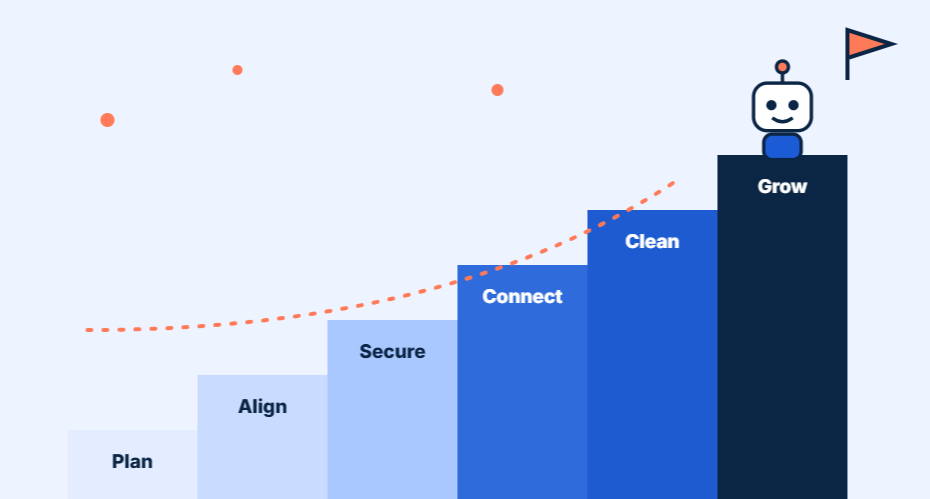
Choosing the right partner can have a direct impact on the success of your Agentforce implementation. The right partner does more than develop an AI agent. It helps ensure that the solution fits your business processes, works with your existing systems, and follows appropriate security practices.
Here are some of the key benefits:
Structured implementation: A partner can help plan and execute the project with clear requirements, timelines, and deliverables.
Better business alignment: Experienced AgentExchange developers can design agents around your actual workflows and business objectives.
Improved security: Proper permissions, guardrails, and testing help reduce the risk of unauthorized agent actions.
Seamless integrations: Integration expertise helps connect Agentforce with the systems your business already uses.
Reduced technical rework: A well-planned implementation can prevent avoidable development issues and unnecessary complexity.
Long-term optimization: Ongoing support helps keep your agents and Salesforce environment aligned with changing business needs.
Final Thoughts
Choosing a Salesforce AgentExchange partner requires more than checking certifications or comparing service offerings. You need a partner that understands Salesforce, has practical Agentforce development experience, and can build solutions around your business requirements.
Most importantly, look for a partner that can support your Salesforce journey beyond the initial implementation. The right technical team can help you build secure, reliable, and scalable AI solutions that deliver value as your business grows.
Looking for a team to build secure and scalable AI solutions for your business? Partner with Salesforce AgentExchange experts at Concretio today to jumpstart your Agentforce journey.
Related Readings

Let's Talk

Drop us a note, we’re happy to take the conversation forward 👇🏻